Window with a dummy sash, made to measure
A dummy sash draws the outline of a tilt and turn sash in the frame, without the hardware that would let it open.
Standard size 1,500 × 1,500 mm
Configure this window with a dummy sashHow much does a window with a dummy sash cost?
What comparable projects cost, by material
typically £207 to £342 per unit, excl. UK VAT and import duties The spread is too wide for a single amount; this is the range they fell within. measured on 40 quotes from our own archive
Configure in uPVCtypically £399 to £657 per unit, excl. UK VAT and import duties The spread is too wide for a single amount; this is the range they fell within. measured on 18 quotes from our own archive
Configure in aluminiumThis is a guide price, not a quote and not a final price. The amount for your own sizes is in the made-to-measure quote, which you request through the configurator.
What you need to know about a window with a dummy sash
| Standard size of this layout | 1,500 × 1,500 mm |
|---|---|
| Sections in this layout | Fixed sash |
| Profiles | 21 profiles, each with its own page |
| Material | uPVC · Aluminium |
| Delivery quoted with your offer | supplied, not installed |
Side by side, a real tilt and turn window and a window with a dummy sash are hard to tell apart: both show a sash inside the frame. The difference is in what you can't see — there is no hinge, no tilt position and no handle in it. That makes this pane right for the spot where you want to keep the look of a tilt and turn window but don't need another opening: for example the one pane in a row of windows where the others really do open.
The standard size is 1,500 × 1,500 mm, the same as the single fixed window; in the configurator you set it to match the tilt and turn window next to it, so a real tilt and turn window and a dummy sash can sit side by side in one elevation without the sightlines jumping. If you actually want to show that a pane doesn't open — for a calmer look, or to leave a would-be burglar less to try on a vulnerable spot — the plain fixed window without a drawn sash line is the simpler choice.
This layout makes most sense in an elevation with a repeat of windows next to or above each other, for example a row of three where only one needs to open. Put a plain fixed window in that spot and the look jumps: the missing sash line stands out, even to someone not specifically looking at what opens. With a dummy sash the row of windows keeps looking as if every pane does the same thing, while only the real tilt and turn pane carries hardware.
Within the window group this is the form closest to the single fixed window — technically they are identical, apart from the drawn sash line. Choose the single fixed window if you'd rather show that a pane doesn't open, for example a vulnerable ground-floor pane where clarity about security is worth more than a matching look. Choose the 2-pane window with one tilt and turn sash if you'd rather give part of the row a real opening instead of just the look of one.
When you order, you measure to the overall size of the frame, exactly as for a real tilt and turn window — the drawn sash line changes nothing about how you measure. What does count: because there is no moving part in it, you don't need to allow clear space for a sash swinging open, which makes fitting it into a tight corner or next to a wall easier than with the real tilt and turn pane whose look it borrows.
Colour and finish follow the same route as any other pane: any RAL colour on aluminium, a foil or through-colour from the chart on uPVC. Because the drawn sash line is a choice of profile and not a separate part, nothing changes in the colour options compared with a real tilt and turn window or a plain fixed window — you simply choose the same colour for the whole row of windows, whichever of them actually open. Maintenance is the same as for a plain fixed window: there is no hinge, no seal round a sash and no locking hardware in it, so only the glass and the outside of the frame need attention. If you're fitting a row of windows where only a few need to open, this layout saves you not only hardware but also the maintenance that goes with it, while the elevation still reads as one.
In a renovation this is often the way to replace one particular pane without changing the look of the rest of the elevation — the existing tilt and turn window next to it keeps setting the look, and the new fixed pane follows it. In a new build this layout is often used to design a row of identical windows without the architect having to mark which pane really opens: the look is already set, and the choice of which panes become functional can still shift later without redrawing.
For break-in resistance the drawn sash line makes no difference: the pane is and stays fixed, so it is as hard to force as a plain fixed window. On a vulnerable ground-floor spot that is an advantage over a real tilt and turn pane, which offers more points of attack with its hinges and locking points.
For the glass, the same applies as for a plain fixed window: because there is no hardware carrying the weight, you can use the heaviest, best-insulating glass here with no consequences. That is a practical argument for choosing exactly this pane in a row of windows for the heaviest glazing, with the real tilt and turn panes next to it in a lighter specification.
Still not sure? Use the comparison with the other layouts in this group above to see which arrangement suits your situation best.
From measuring to delivery in four steps
- 1
Configure
Choose type, profile, size, glass and colour in the configurator. You see your window in the drawing straight away.
- 2
Quote within 3 working days
We ask the manufacturer for the price and send you a quote for your sizes.
- 3
Accept
Once you accept, your window goes into production. You pay after accepting, by invoice.
- 4
Delivery
Delivery to the UK is quoted with your offer. You fit it yourself or with your own installer.
Window with a dummy sash in 21 profiles
Each profile has its own page with the specifications, the colours and the maximum sizes. Choose it there and the profile is already selected in the configurator.
Know what you want? Put it together.
No form first: you watch your window take shape as you choose. The price follows in the quote, within three working days.
Other configurations in this group
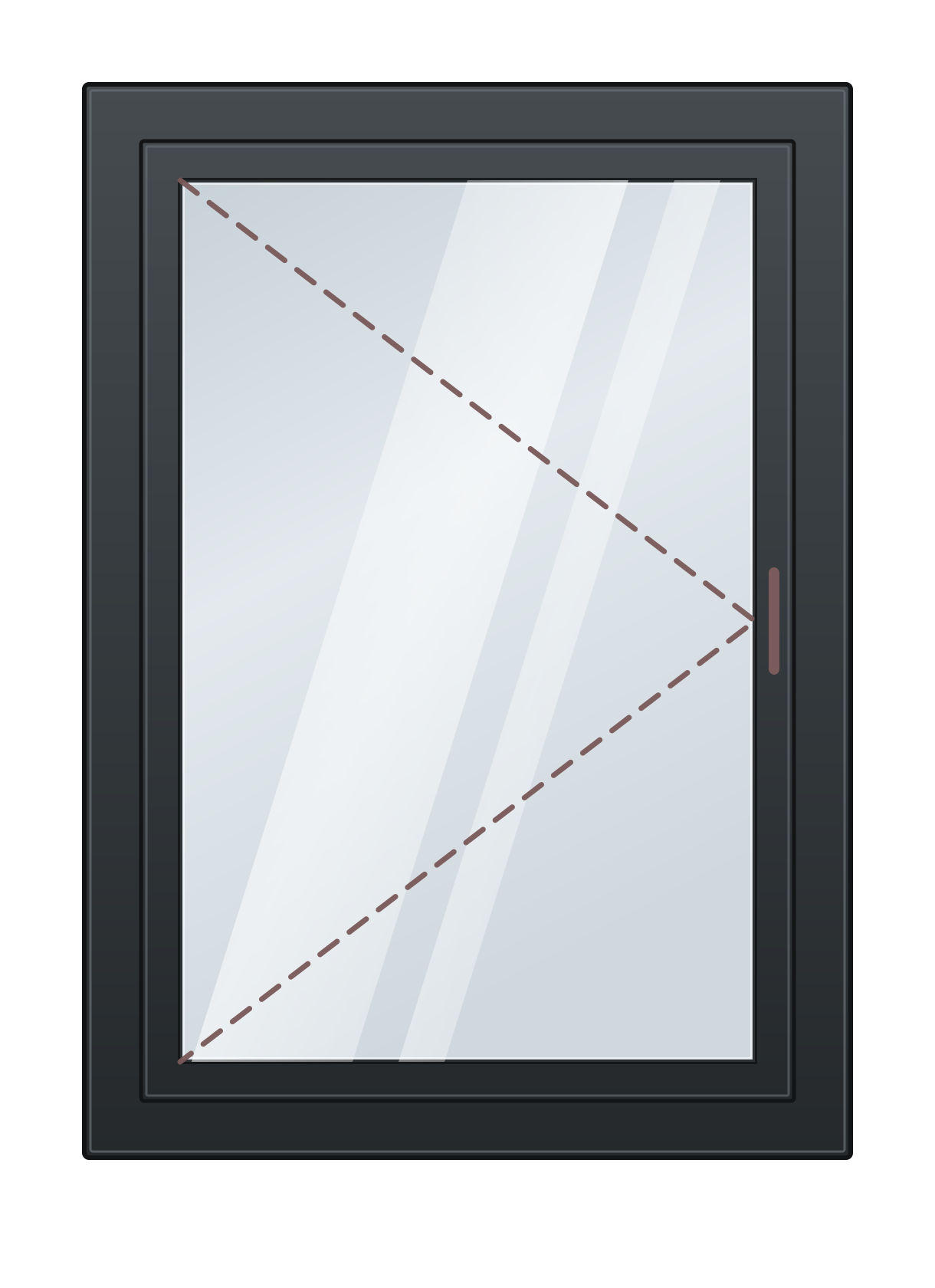
Opens fully inward for air and for cleaning — without the tilt position.
Request my quote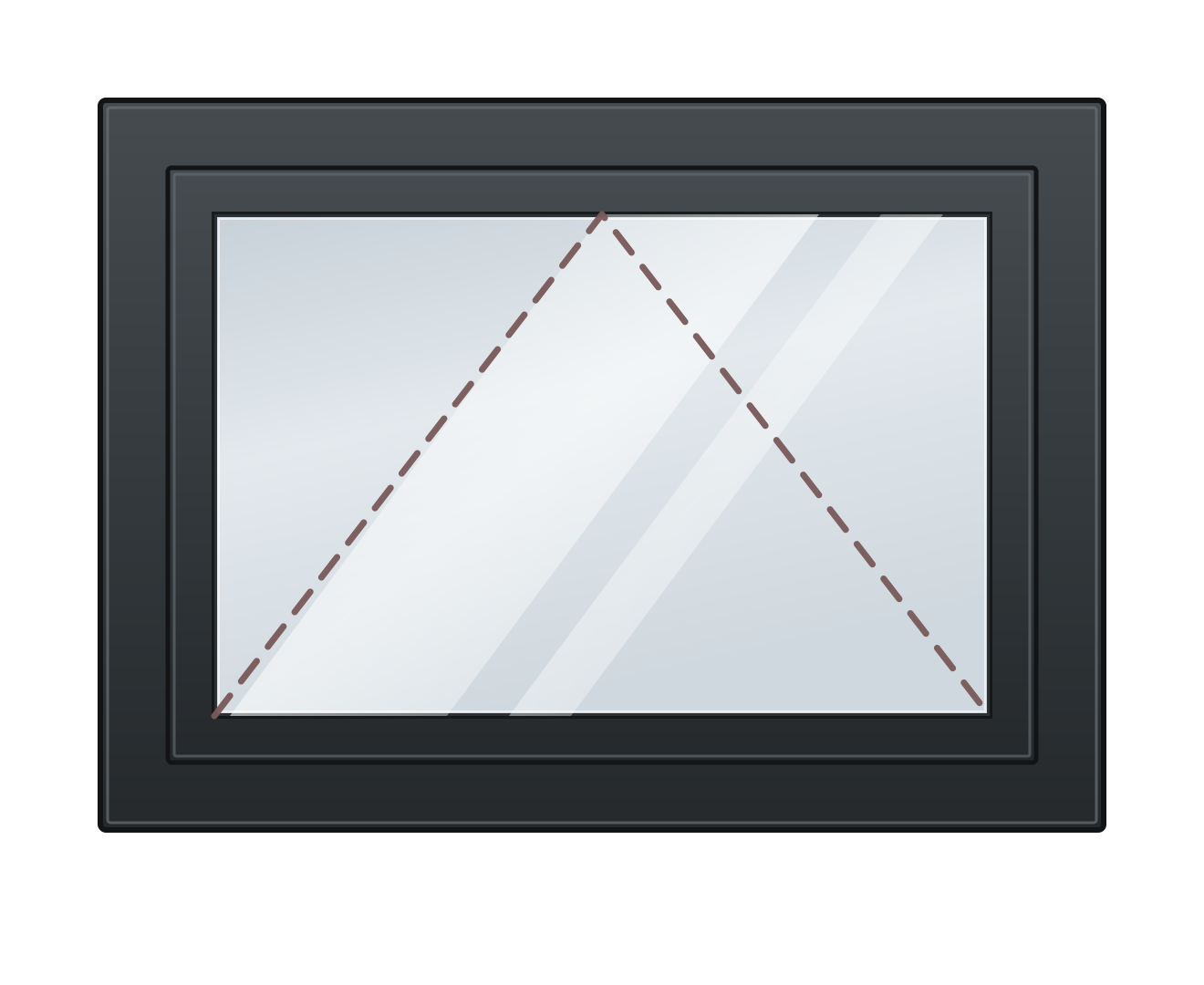
Hinged at the bottom, tilts inward — ventilation in a spot you don't reach with a handle.
Request my quote
Two fixed panes one above the other — light in a narrow, tall strip, with no opening.
Request my quote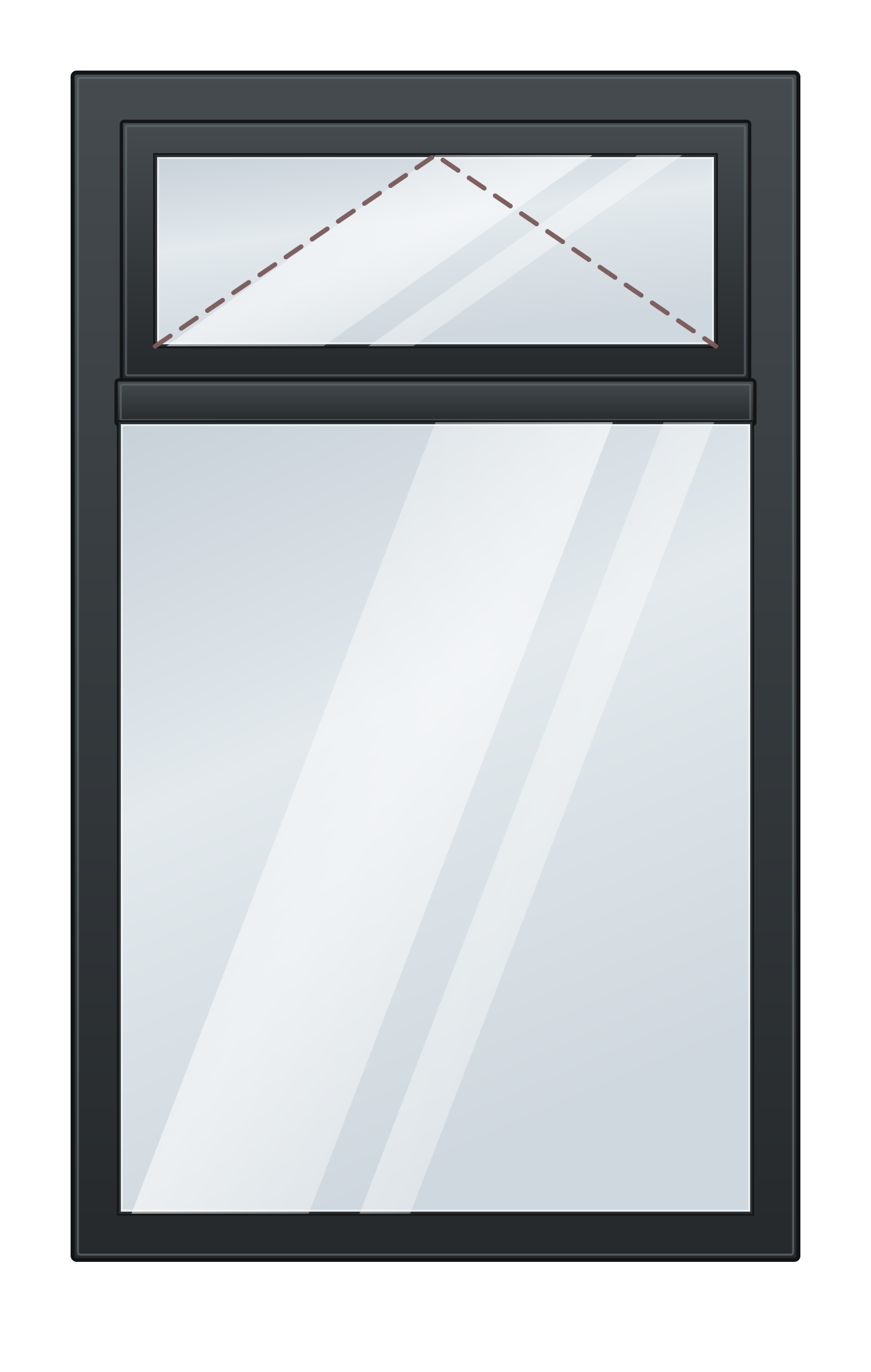
Tilt-in sash above for air up high, fixed glass below for a large, still pane.
Request my quote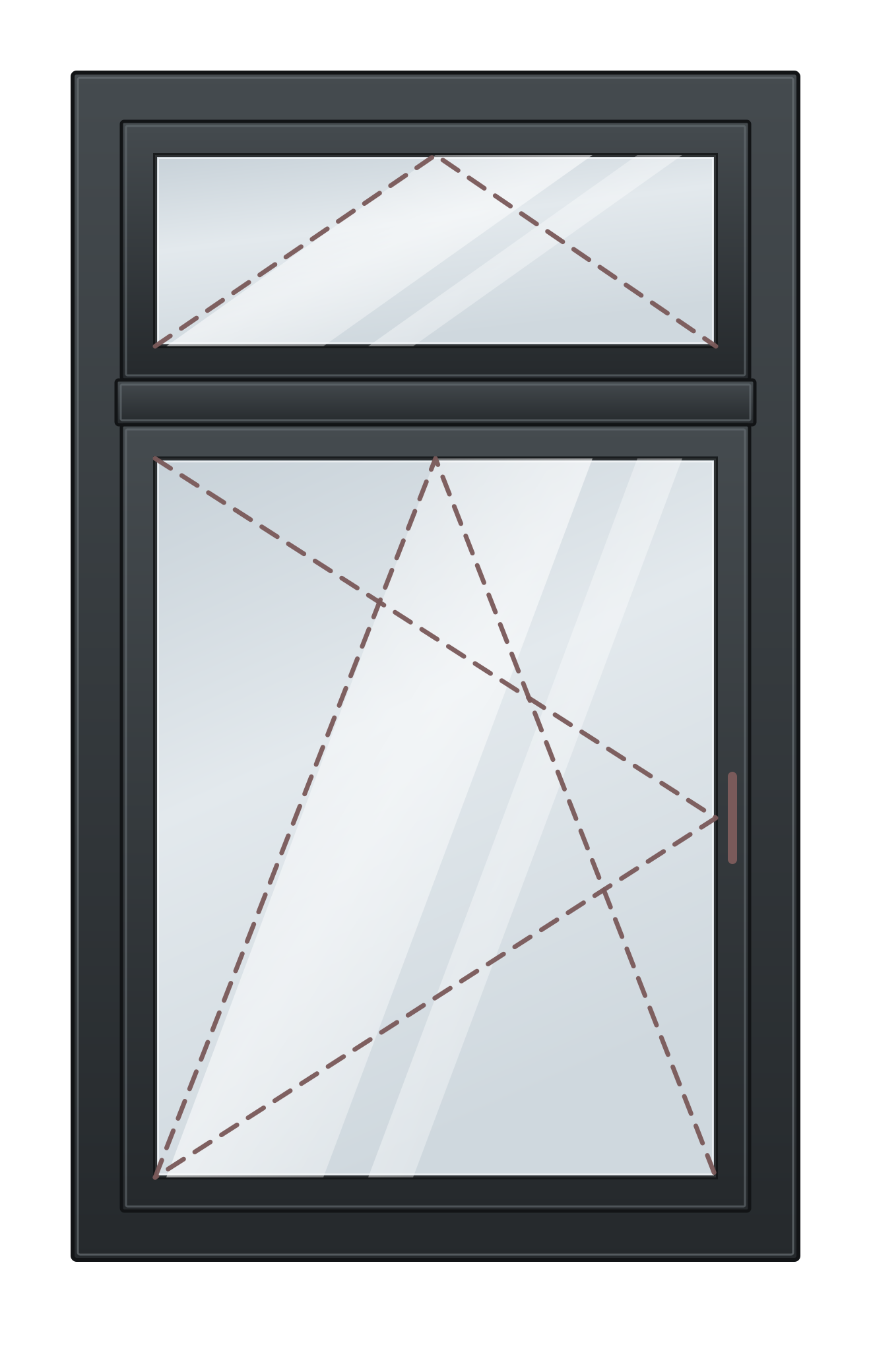
Tilt-in sash above, tilt and turn below — the most complete ventilation in a narrow space.
Request my quote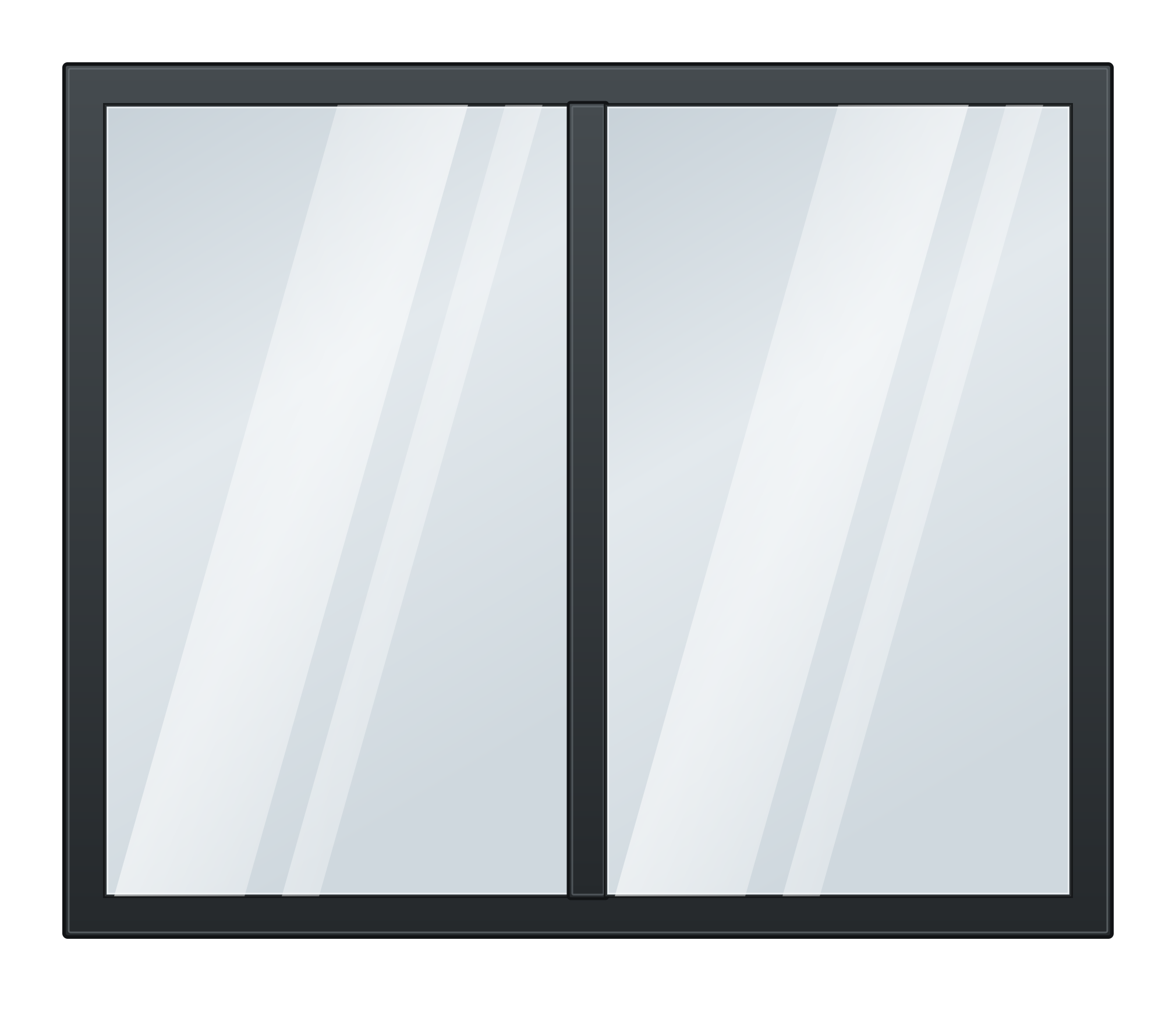
Two fixed panes side by side — wide light and a clear view, with no opening.
Request my quoteFrequently asked questions about a window with a dummy sash
What is the difference from a plain fixed window?
Only the look: a dummy sash shows the sash line of a tilt and turn window in the profile, a plain fixed window doesn't. Neither opens; the price and the construction are otherwise the same.
Can someone outside tell that this pane doesn't open?
Not at first glance: that is exactly the idea. Close up, or if you know what to look for, you can see there is no handle on it.
Does a dummy sash cost more than a plain fixed window?
Hardly: the drawn sash line is a choice of profile, not extra hardware. Most of the price is still in the frame and the glass, not in the line that suggests a sash.
Why choose this instead of a real tilt and turn window straight away?
Only if you're sure you won't need ventilation in that spot. If you want to keep that option open for later, a real tilt and turn window is the safer choice, because a dummy sash can't be converted into an opening pane afterwards.
Configure this window with a dummy sash
Where we have a guide price, it is on the page, not behind a form — not a quote and not a final price; the amount for your sizes is in the made-to-measure quote.
Request my quote