Window frames made to measure
Window frames made to measure in uPVC and aluminium: twenty layouts, from a single fixed light to a row of four. The difference is in what opens and how much, and you choose that here, before the size.
20 configurations, each with its own page
Configure your windowsChoose your layout
Each configuration has its own page with the standard size, the profiles that can do it and a direct way into the configurator.

One pane of glass, no hinge — the cheapest way to get light in without ventilation.
Request my quote
Looks like a tilt and turn window, doesn't open — for an elevation with one consistent look.
Request my quote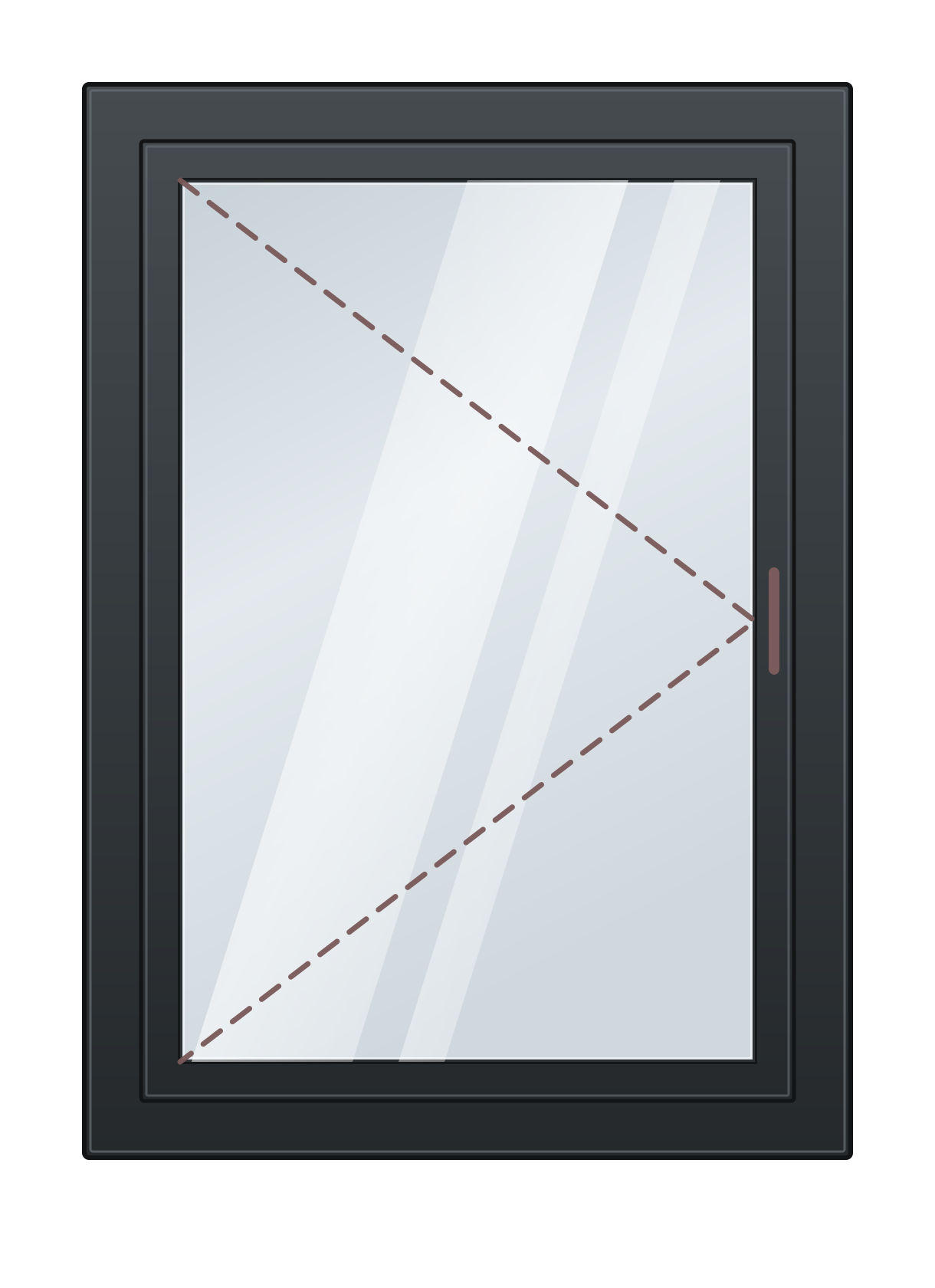
Opens fully inward for air and for cleaning — without the tilt position.
Request my quote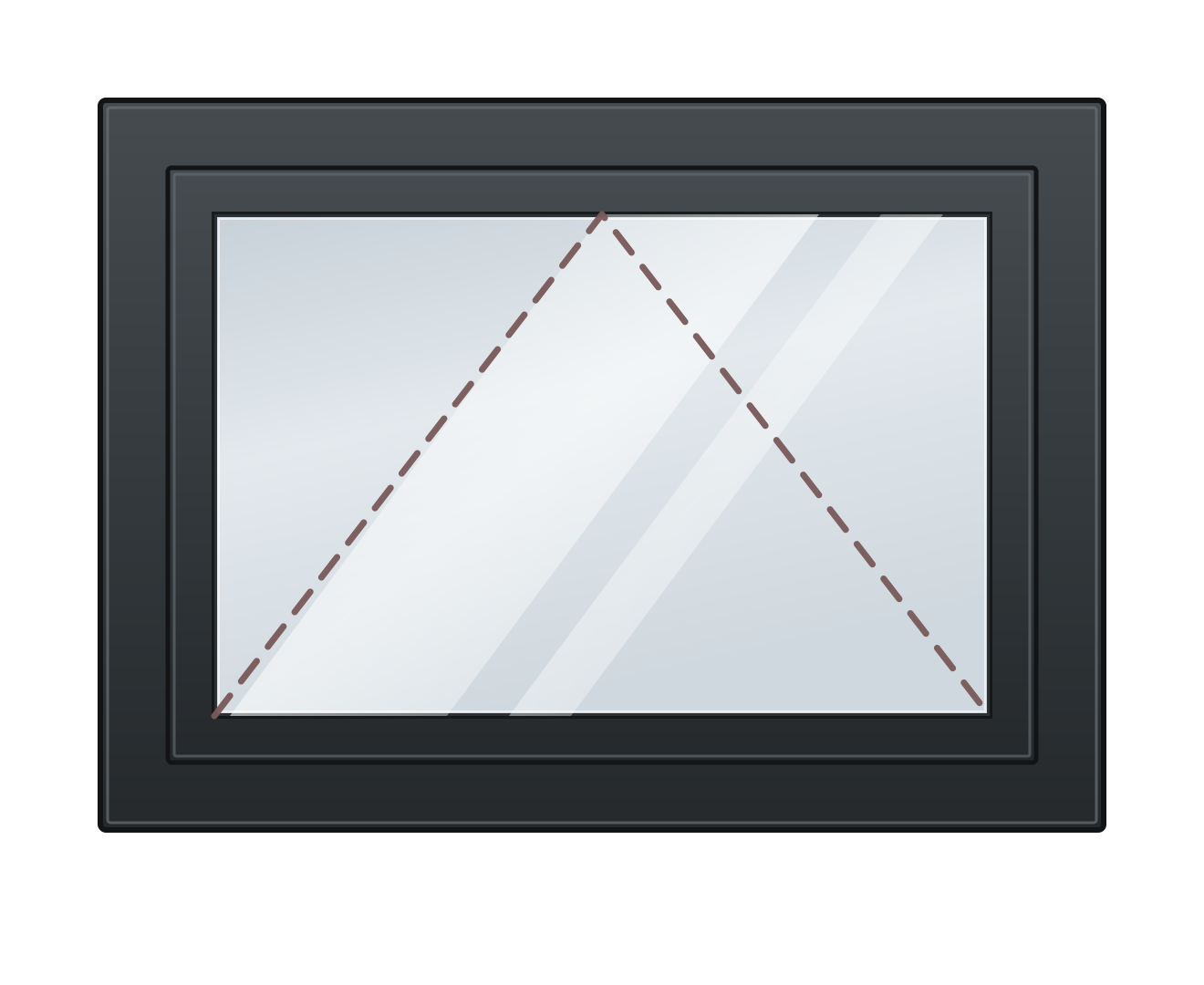
Hinged at the bottom, tilts inward — ventilation in a spot you don't reach with a handle.
Request my quote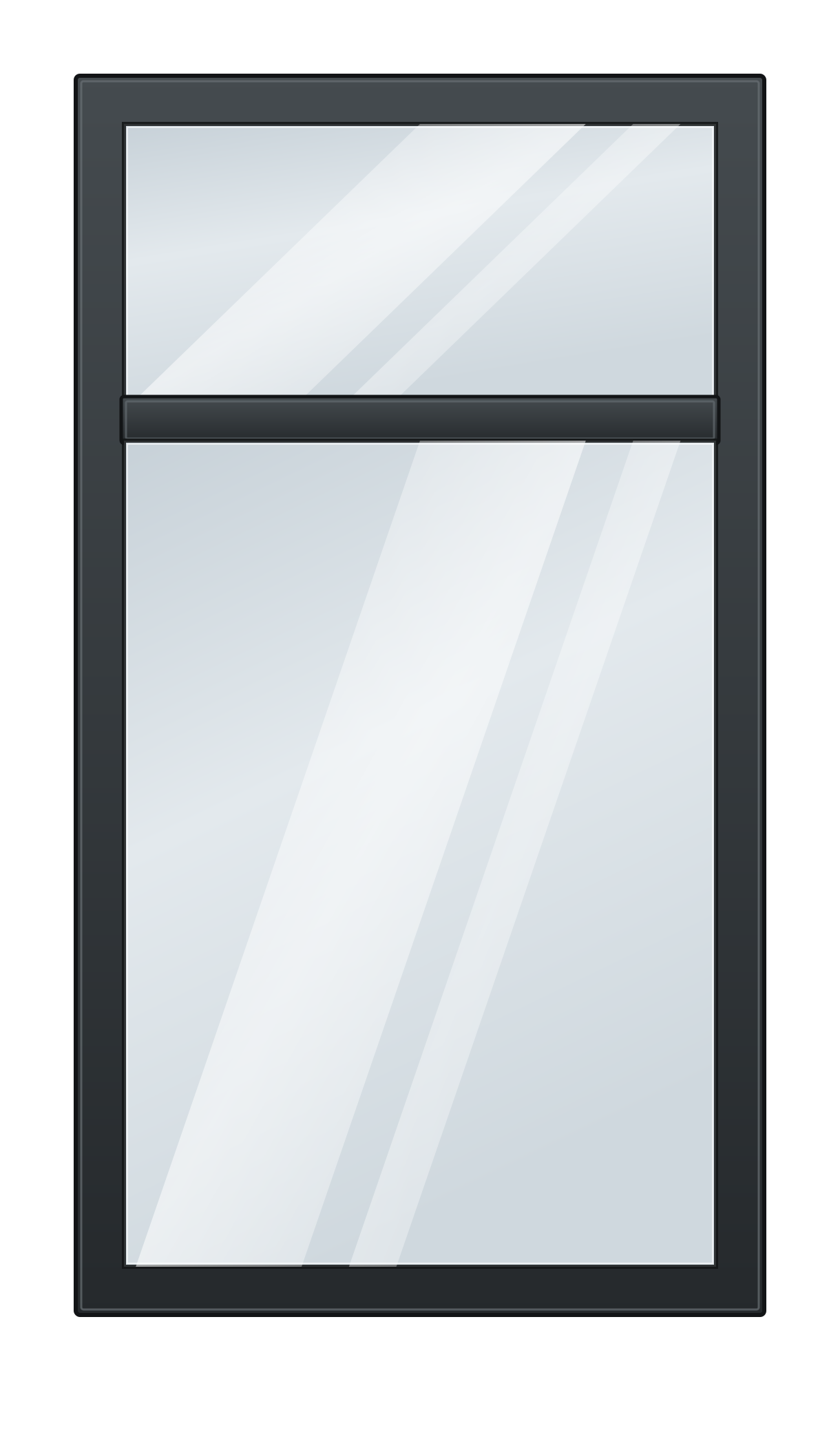
Two fixed panes one above the other — light in a narrow, tall strip, with no opening.
Request my quote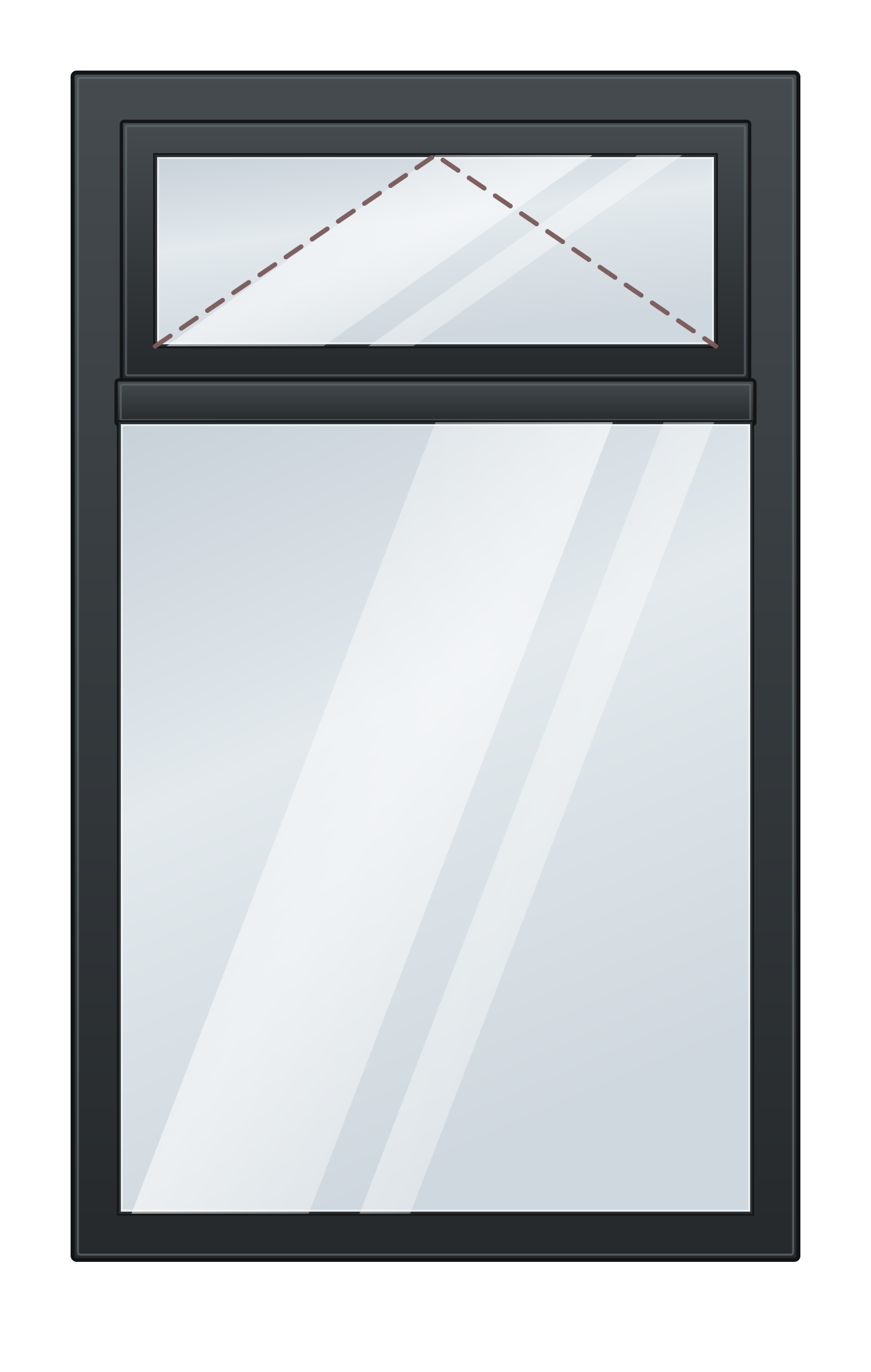
Tilt-in sash above for air up high, fixed glass below for a large, still pane.
Request my quote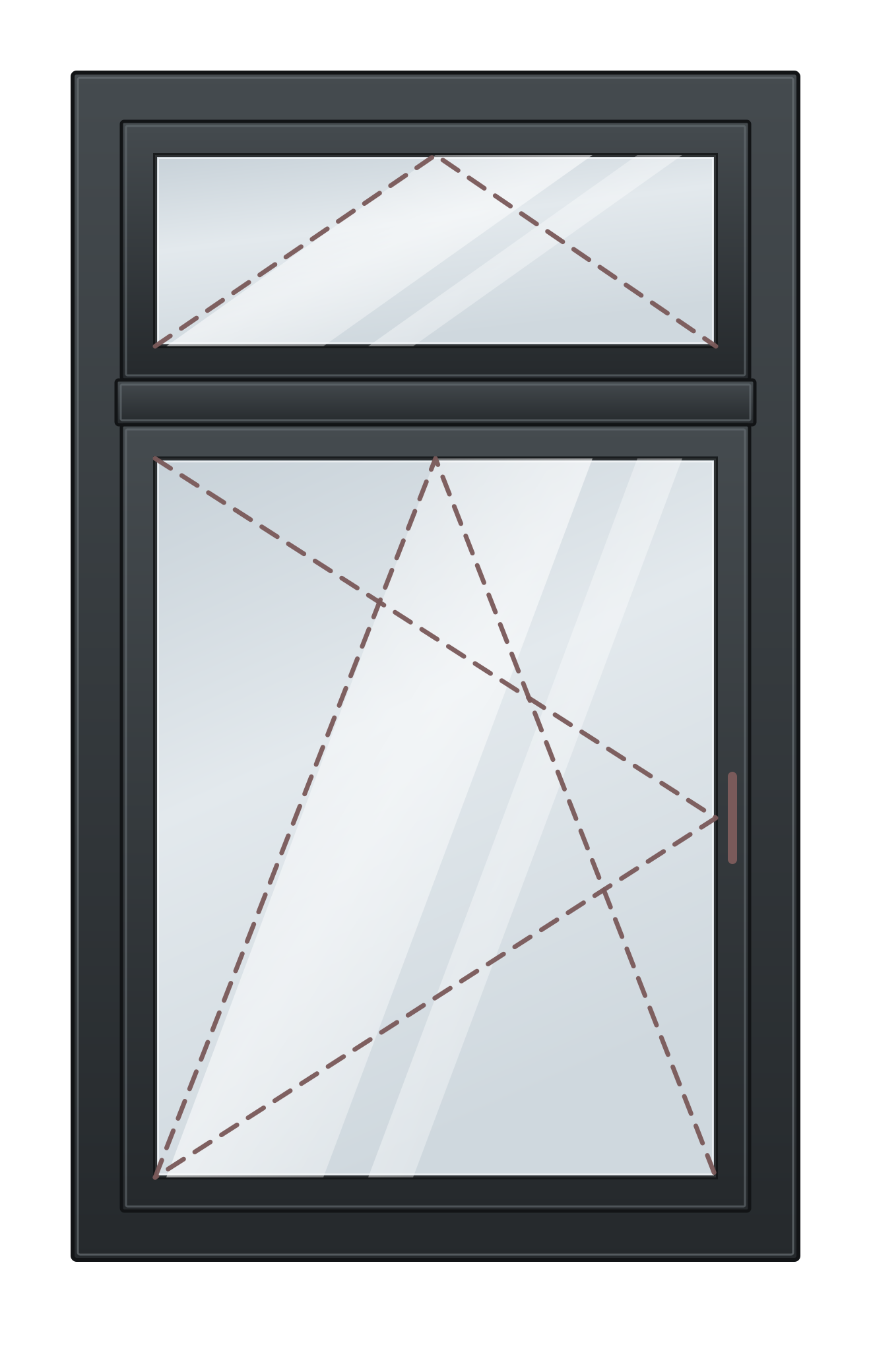
Tilt-in sash above, tilt and turn below — the most complete ventilation in a narrow space.
Request my quote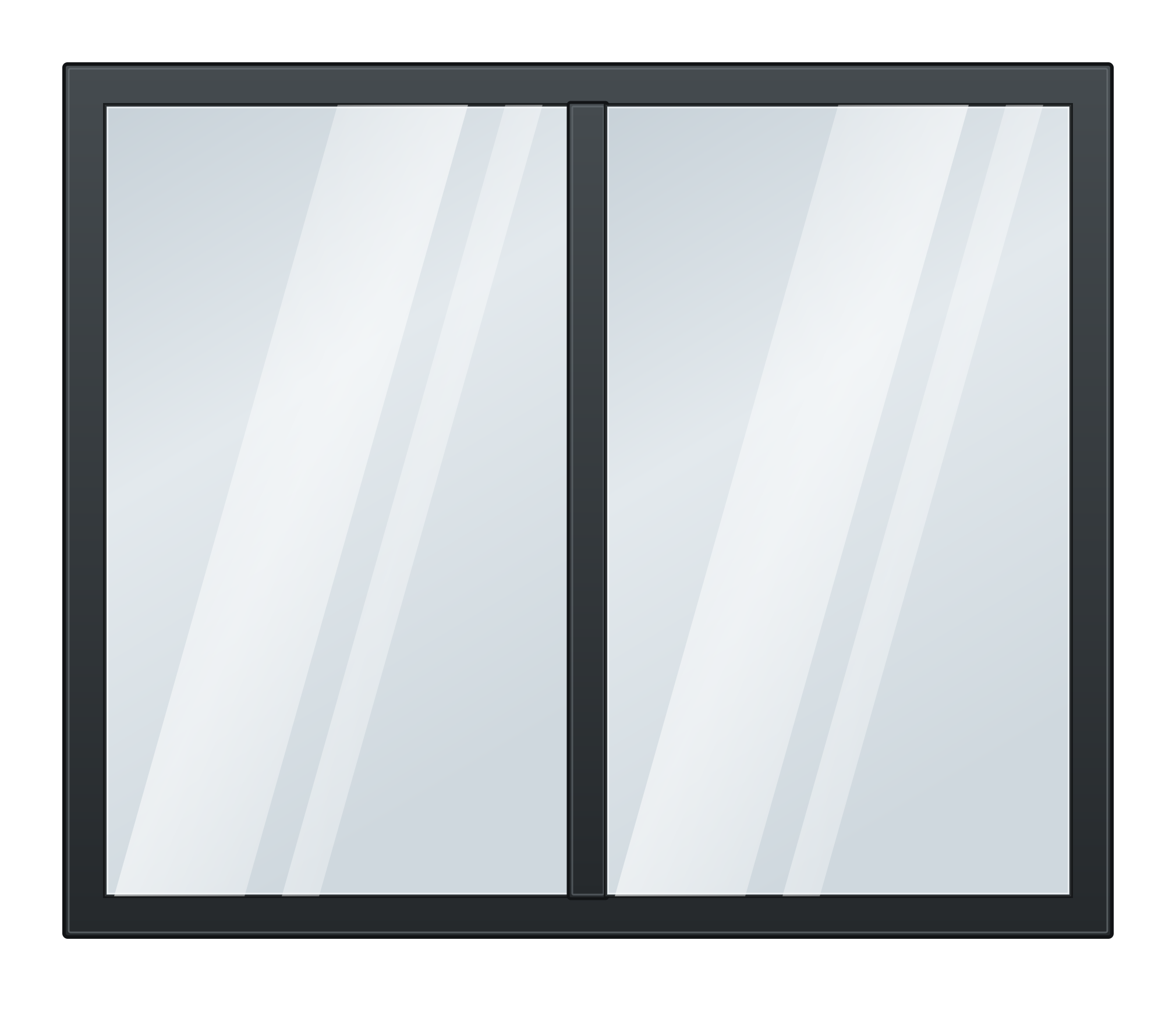
Two fixed panes side by side — wide light and a clear view, with no opening.
Request my quote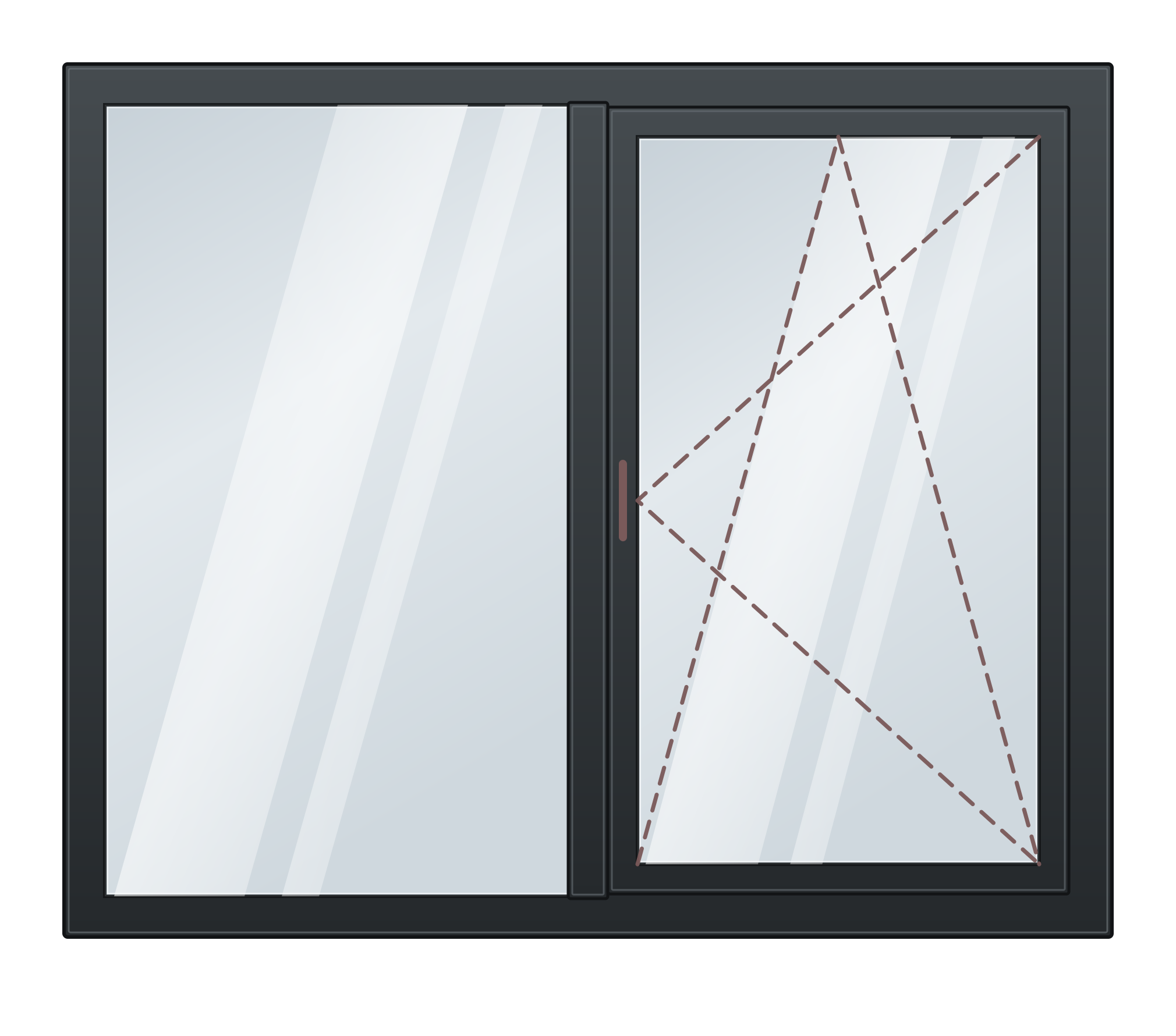
Fixed pane for the view, tilt and turn sash beside it for air — the classic split.
Request my quote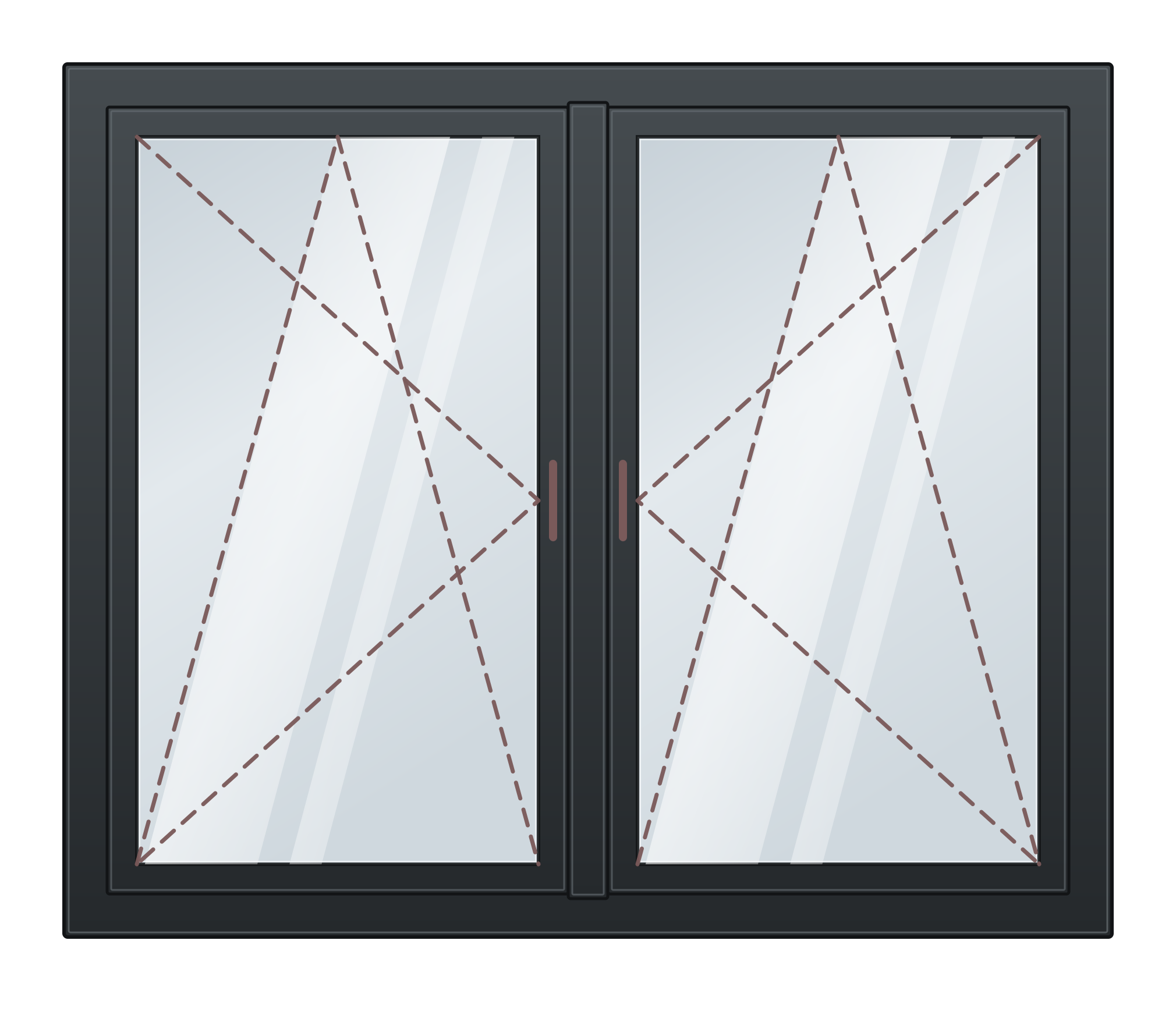
Two tilt and turn sashes side by side — double the ventilation, double the reach.
Request my quote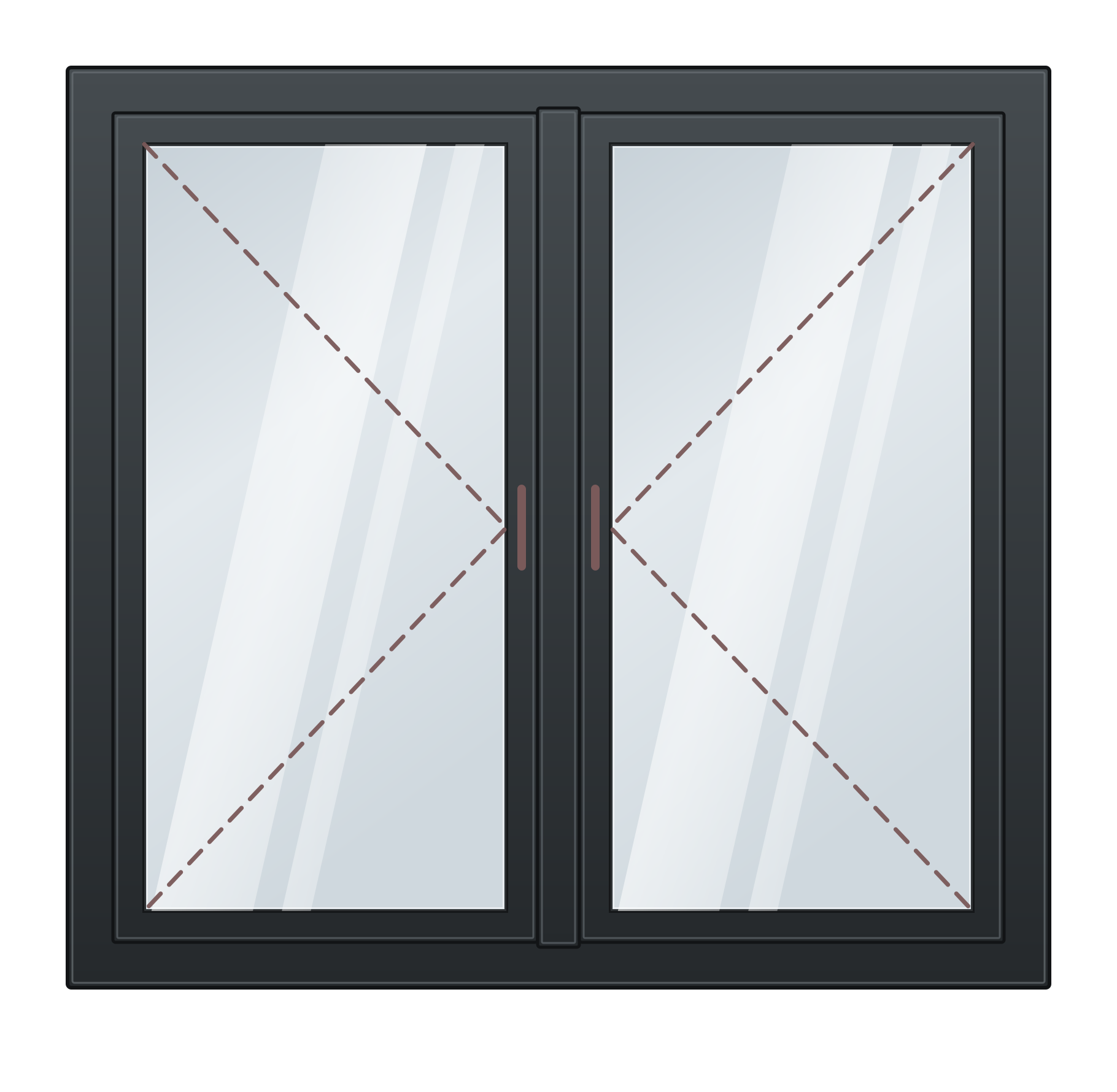
Two side-hung sashes with no mullion — an ordinary window when closed, a wide opening when open.
Request my quote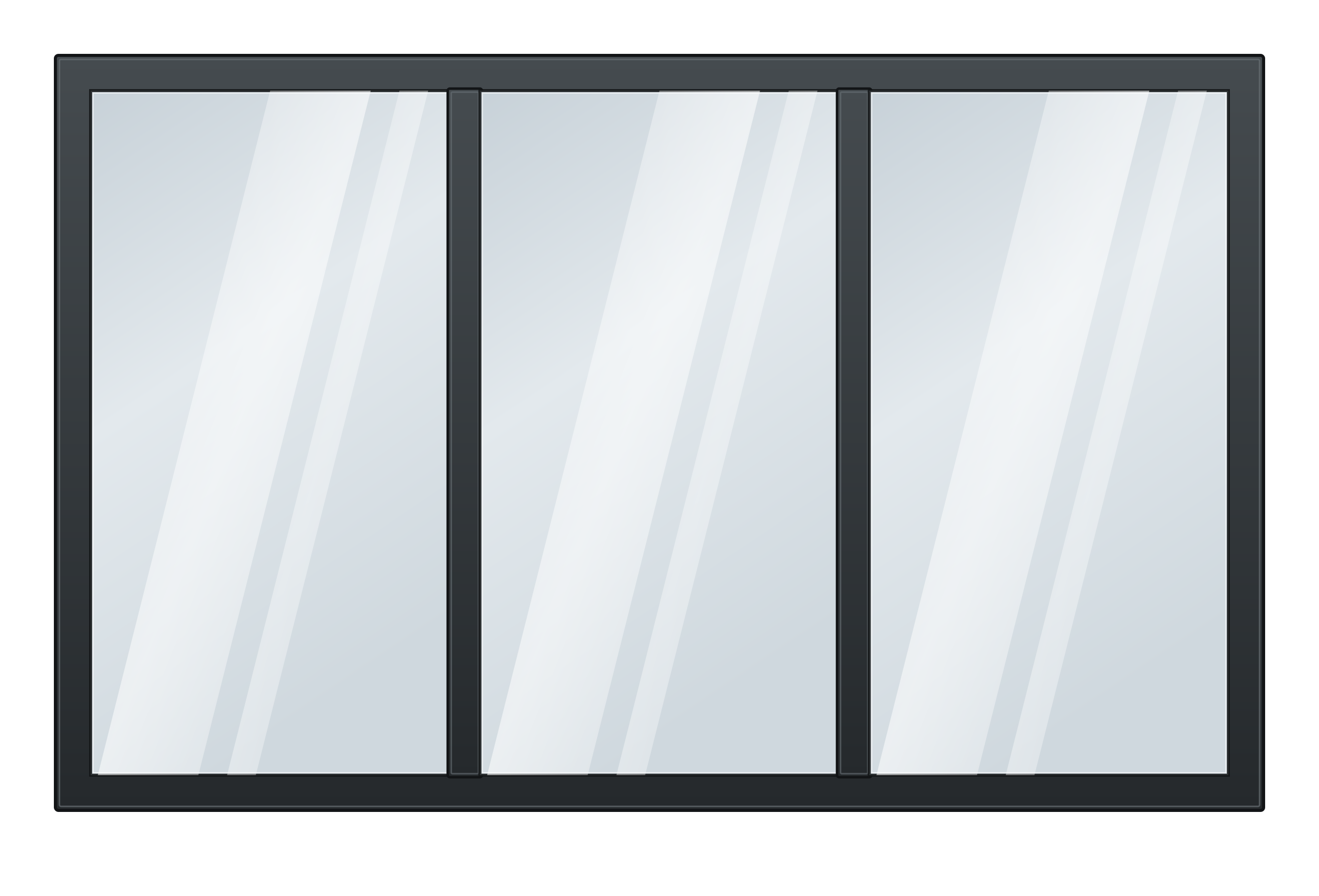
Three fixed panes side by side — a wide wall of glass, with no opening.
Request my quote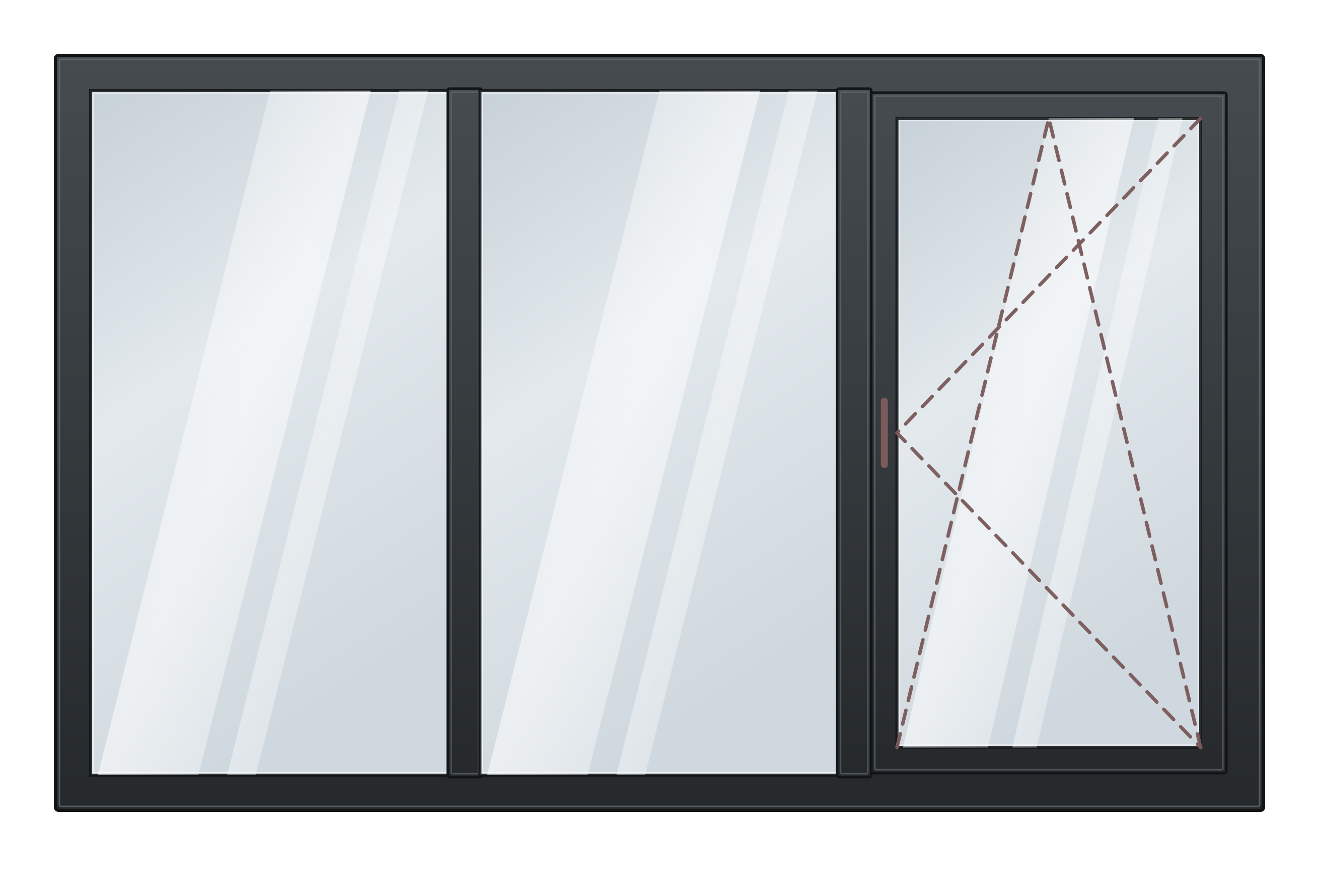
Two fixed panes for the view, one tilt and turn sash for the air you need.
Request my quote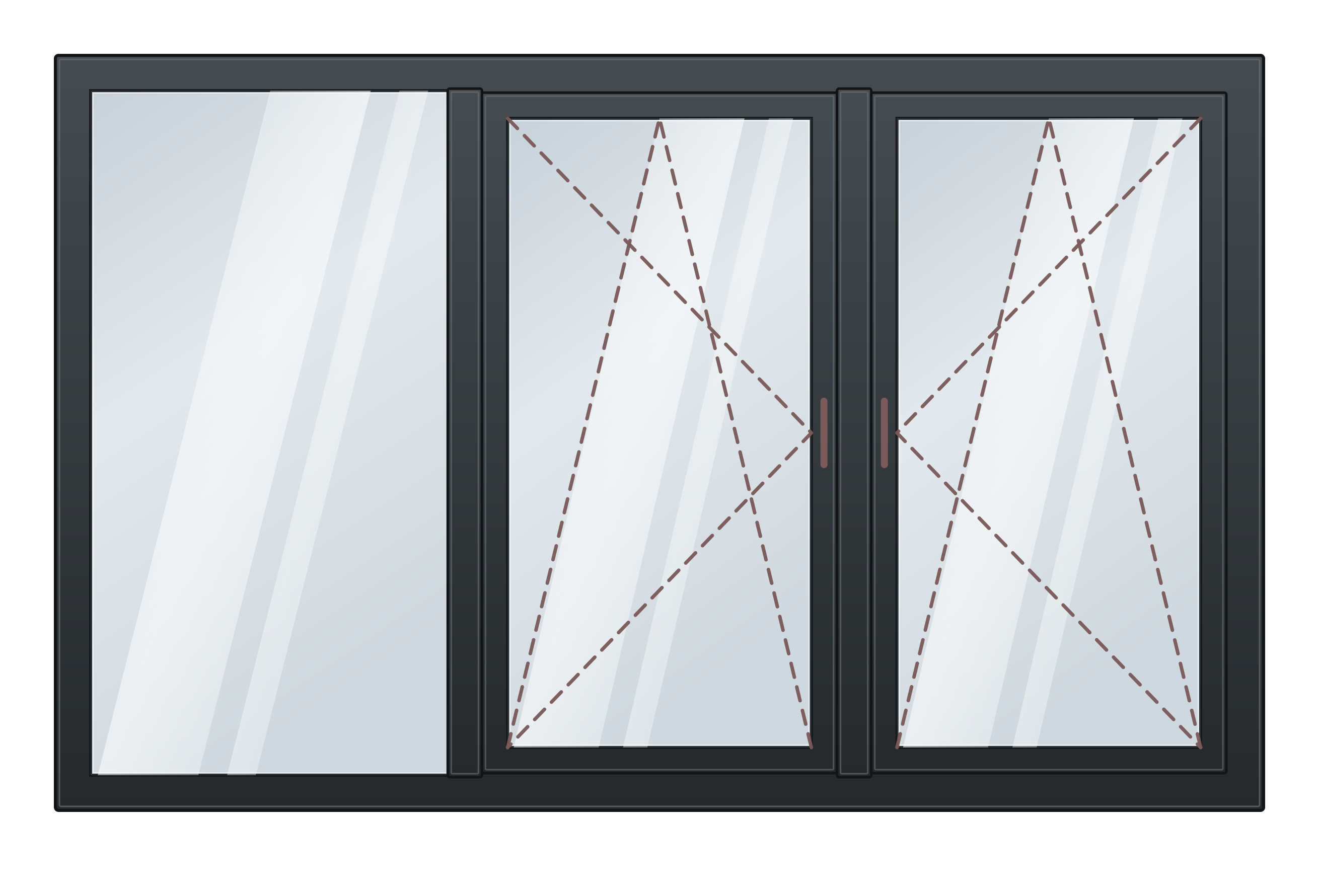
One fixed pane for the view, two tilt and turn sashes for air in two places.
Request my quote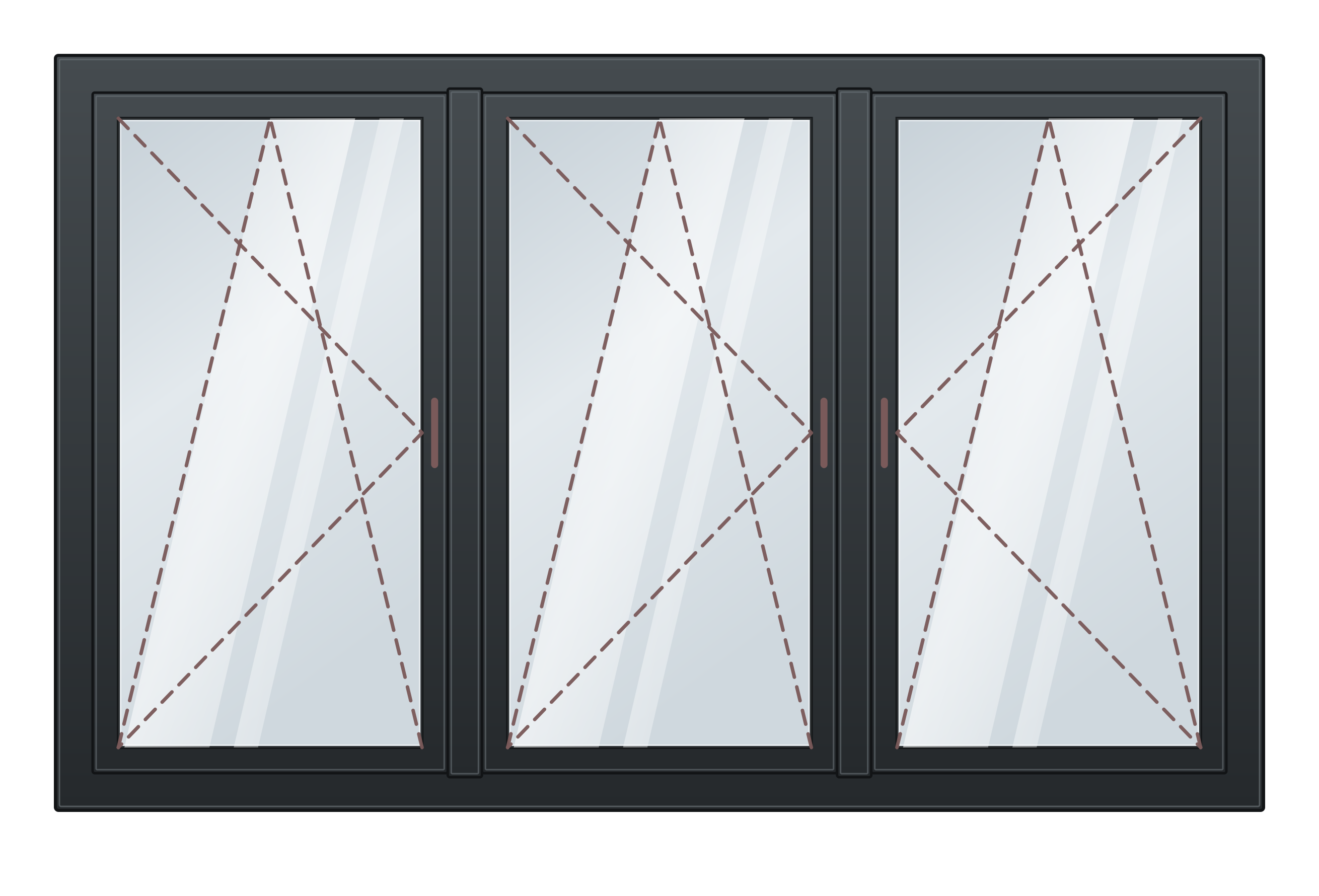
Three tilt and turn sashes side by side — every pane opens, no fixed glass at all.
Request my quote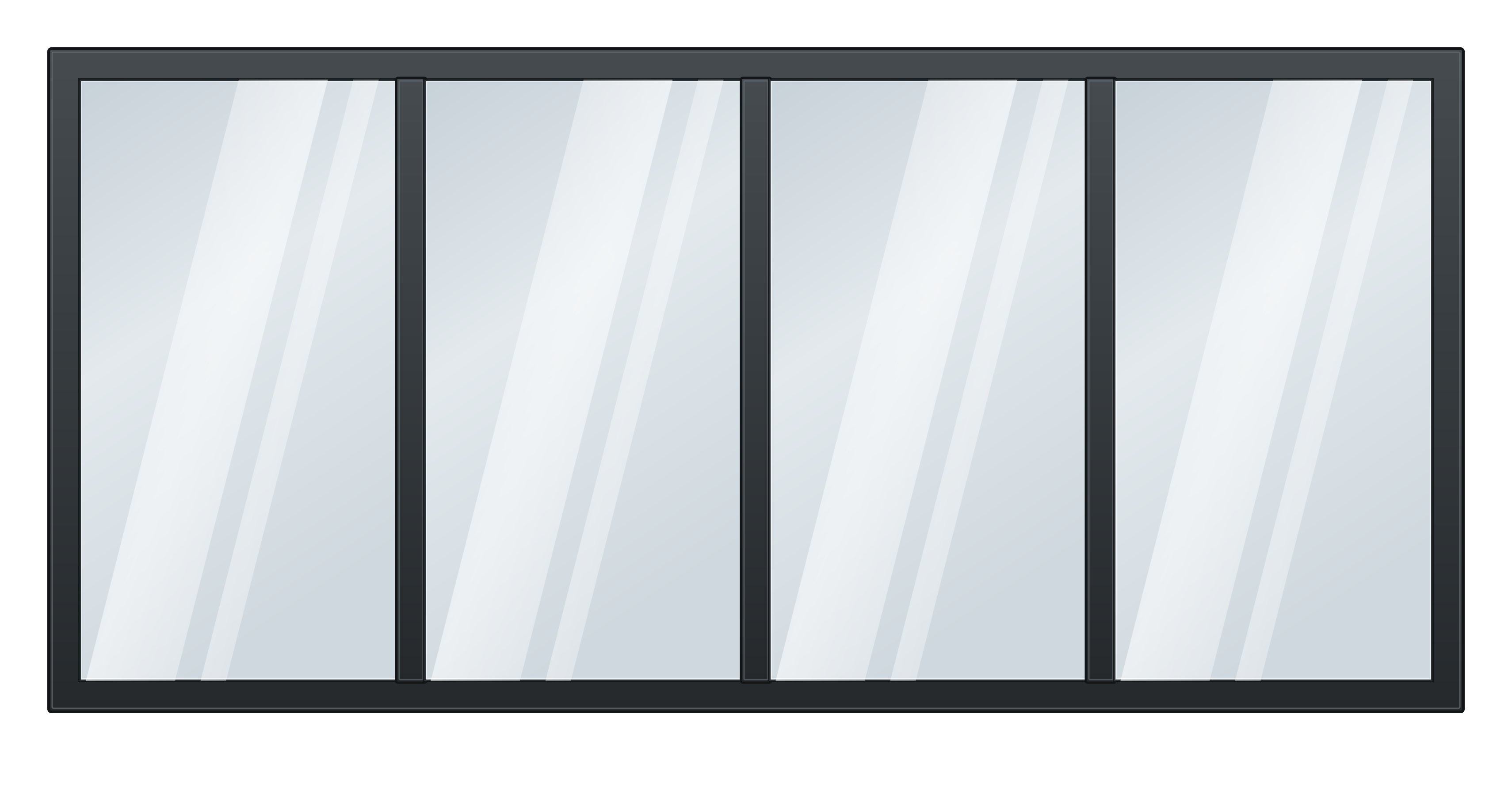
Four fixed panes side by side — the widest wall of glass, with no opening.
Request my quote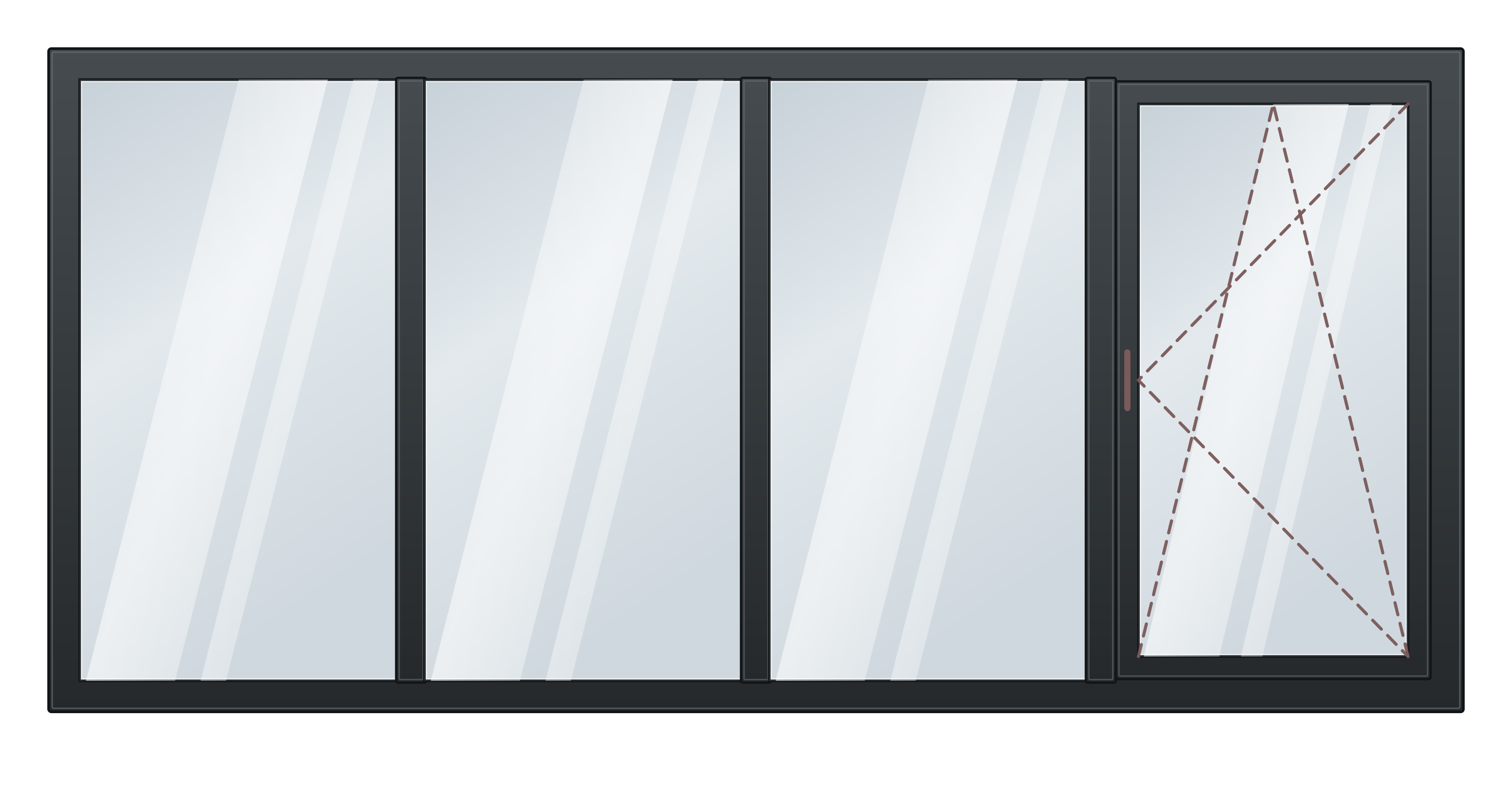
Three fixed panes for the view, one tilt and turn sash for air, across 3,200 mm.
Request my quote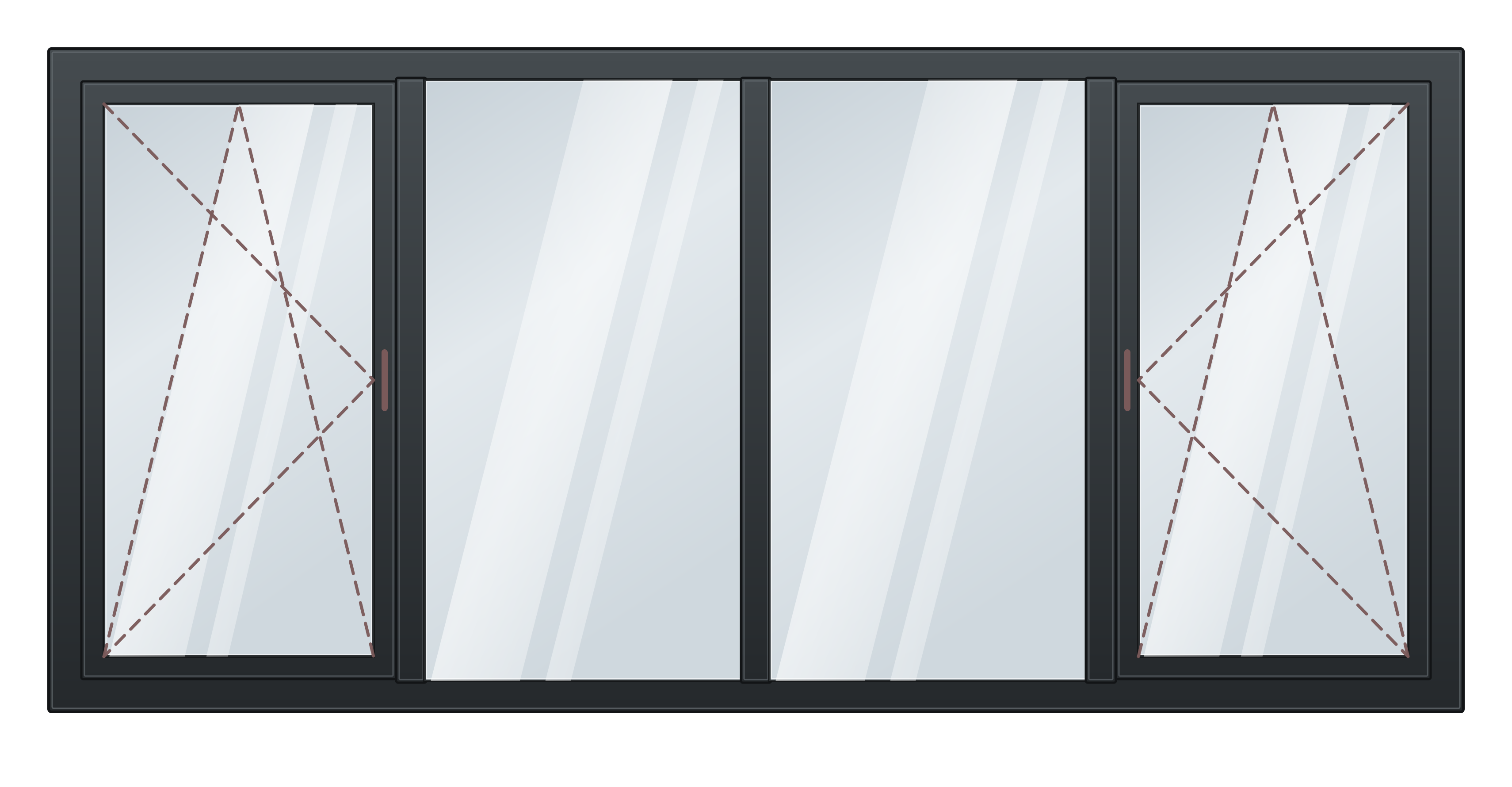
A tilt and turn sash at each end, fixed glass in the middle — ventilation at both ends.
Request my quote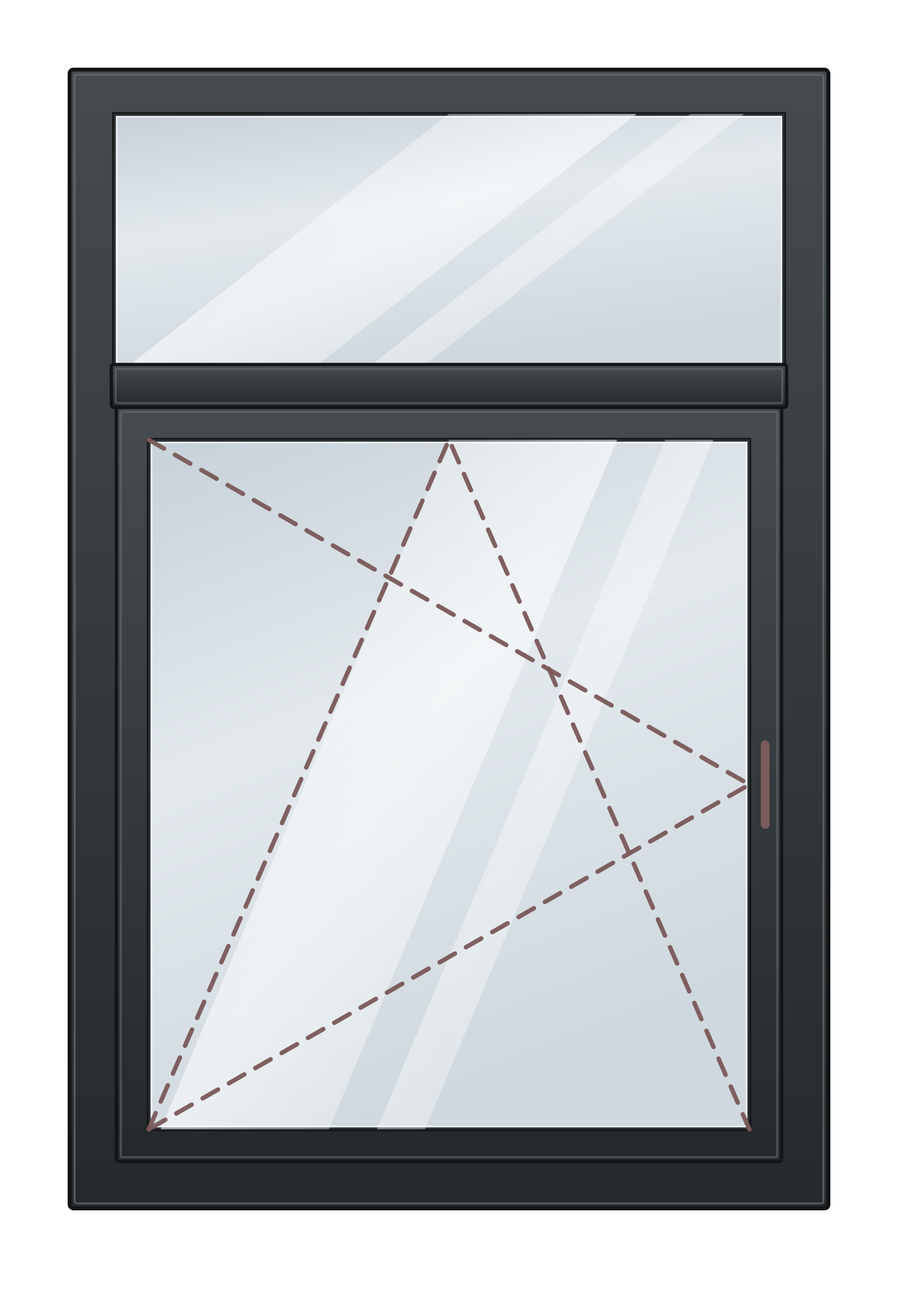
Tilt and turn window at reachable height, fixed top light above — extra height without hardware out of reach.
Request my quote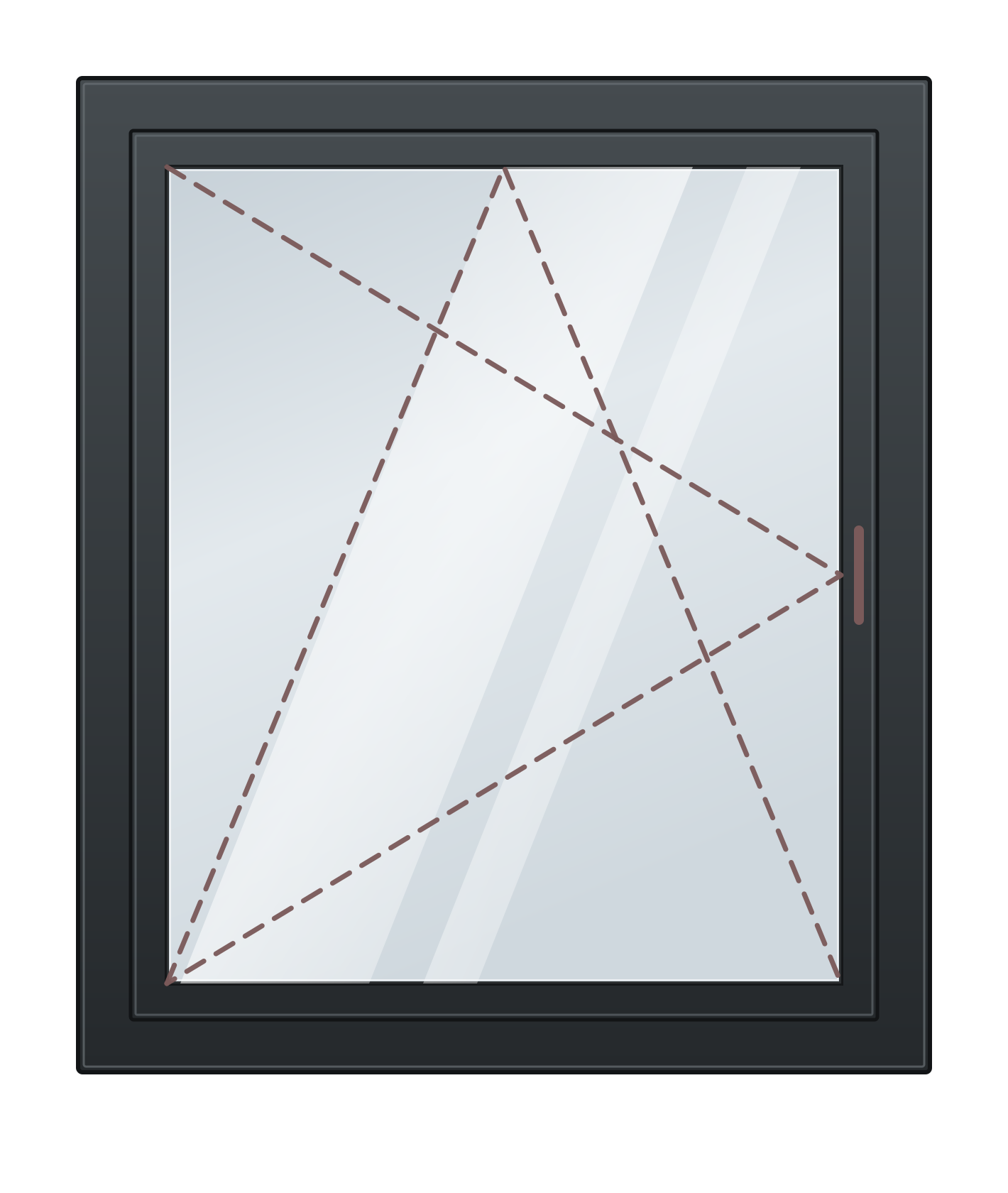
Tilt for air, turn to clean — the window most of our layouts start from.
Request my quoteWhat you need to know about made-to-measure windows
With a window the first choice isn't the material but the layout: how many lights, and which of them turn or tilt. A fixed window has no moving part at all and is therefore the cheapest form; a tilt and turn window adds hardware for ventilation and for access to clean the glass. Between those two extremes sit the combined forms — a fixed light with a bottom-hung (tilt-in) window above it, two tilt and turn lights side by side, a French casement without a mullion — each with its own reason to choose it.
The width goes up with the number of lights: a single light starts at 1,000 to 1,500 mm, a row of four fixed lights goes up to 3,200 mm. That's not a fixed limit but the standard size of the layout; in the configurator you set your own size. More important than the width alone is the division: three fixed lights and one tilt and turn light give a different elevation from two and two, even at the same overall width.
Choosing between these twenty, you're really looking at three things: how much ventilation you need (every tilt and turn light costs hardware and so money), how much of the view you want to keep (every fixed light keeps the sightline slim), and whether the opening needs to be symmetrical. A double window with one tilt and turn light is the most chosen form for a living room window; a French casement gives the widest clear opening when open, but without the tilt position an ordinary tilt and turn window has.
Made-to-measure windows: what you buy from us
A window from us is always complete: frame, sashes, glass and hardware as one unit, made to your size. It can be a single fixed light or a row of four with tilt and turn, bottom-hung and fixed parts; you choose the layout above.
Types of window frames
The first choice is what opens: a fixed frame window has no moving part, a tilt and turn window tilts for air and turns in to clean, a bottom-hung window tilts in at the top. Then the material: uPVC or aluminium, and the profile.
Windows made to measure, to the millimetre
We make every window to the overall size you give us, to ±2 mm up to a metre and ±3 mm above that, and measure it before dispatch. There is no standard size: the size in the configurator is a starting size you adjust.
Buy windows online
You put your windows together online and request a quote. You'll have it within three working days, with the price for your sizes. We deliver to your door and don't install; you fit them yourself or have an installer do it.
Window frames manufacturers
We don't make the frames ourselves: they are made to measure by the manufacturers of the profiles, such as Gealan, Rehau and Schüco for uPVC and Aluprof and Reynaers for aluminium. Our best insulating aluminium profile has a frame Uf of 0.57 W/m²K; the U-value of the whole window is in your quote.
uPVC or aluminium?
From measuring to delivery in four steps
- 1
Configure
Choose type, profile, size, glass and colour in the configurator. You see your window in the drawing straight away.
- 2
Quote within 3 working days
We ask the manufacturer for the price and send you a quote for your sizes.
- 3
Accept
Once you accept, your window goes into production. You pay after accepting, by invoice.
- 4
Delivery
Delivery to the UK is quoted with your offer. You fit it yourself or with your own installer.
Know what you want? Put it together.
No form first: you watch your window take shape as you choose. The price follows in the quote, within three working days.
Frequently asked questions about windows
Which window has the fewest moving parts?
A fixed window: no hinge, no handle, no tilt position. As soon as you want ventilation, hardware comes with it — least on a bottom-hung window, most on a tilt and turn window, because it has two positions.
How many lights can a window have?
Up to four in the layouts we carry, with a standard size up to 3,200 mm wide. More lights isn't automatically better: every extra mullion costs profile in view.
What's the difference between a French casement and a double tilt and turn window?
A French casement has no fixed mullion between the two sashes — open, the opening is completely clear, but the sashes are side-hung without a tilt position. A double tilt and turn window keeps a mullion in place, even with both lights open, and does have the tilt position.
What are window frames made of?
Ours are uPVC or aluminium. Every frame comes complete with sashes, glass and hardware as one unit. We don't supply timber frames.
What is the best material for window frames?
It depends on what you're after. uPVC is the usual choice and never needs painting, because the colour is in the material. Aluminium is slimmer in view and carries larger areas of glass.
How thick are window frames?
Our profiles are 59 to 194 mm deep, depending on material and range. How wide the frame is in view differs per profile; for uPVC it's 119 to 150 mm. Each profile page gives the dimensions of that profile.
Are there standard window sizes?
Not with us: every window is made to the overall size you give us, to ±2 mm up to a metre and ±3 mm above that. The size in the configurator is a starting size you adjust.
Do uPVC window frames need painting?
No: the colour is in the material or the foil, and cleaning is done with water. If you want a different colour, you choose it for a new window in the configurator.
Also made to measure
Configure your window or door
Where we have a guide price, it is on the page, not behind a form — not a quote and not a final price; the amount for your sizes is in the made-to-measure quote.
Request a quote