4-pane window with two tilt and turn sashes, made to measure
A tilt and turn sash at both ends, two fixed panes in the middle: this wide window puts the openings where most rows of windows have them — at the sides.
Standard size 3,200 × 1,500 mm
Configure this 4-pane window, 2 tilt and turnHow much does a 4-pane window, 2 tilt and turn cost?
What comparable projects cost, by material
typically £320 to £448 per unit, excl. UK VAT and import duties The spread is too wide for a single amount; this is the range they fell within. measured on 94 quotes from our own archive
Configure in uPVCtypically £526 to £780 per unit, excl. UK VAT and import duties The spread is too wide for a single amount; this is the range they fell within. measured on 38 quotes from our own archive
Configure in aluminiumThis is a guide price, not a quote and not a final price. The amount for your own sizes is in the made-to-measure quote, which you request through the configurator.
What you need to know about a 4-pane window, 2 tilt and turn
| Standard size of this layout | 3,200 × 1,500 mm |
|---|---|
| Sections in this layout | Tilt and turn, Fixed glass, Fixed glass, Tilt and turn |
| Profiles | 21 profiles, each with its own page |
| Material | uPVC · Aluminium |
| Delivery quoted with your offer | supplied, not installed |
This window is a mirror image: a tilt and turn sash on the left, two fixed panes in the middle, a tilt and turn sash on the right. That gives ventilation at both ends and keeps the centre — usually the part with the best view — free of hardware and of mullions that would have to sit closer together. Compared with the 4-pane window with one tilt and turn sash, this is more hardware but also a symmetrical look, with an opening at each end instead of just one.
The standard size is 3,200 × 1,500 mm, split across four panes. If you would rather have only one opening in this width, the 4-pane window with one tilt and turn sash is the simpler and cheaper choice.
The symmetry is practical too: whether you want air on the left or the right of the room, both ends have the same hardware. That helps in a long room where the spot you usually sit in isn't in the middle — there is always an opening sash within reach, without crossing the whole room.
Of the three 4-pane windows (4-pane fixed window, 4-pane window with one tilt and turn sash, and this one), this is the most symmetrical and the only one with two complete sets of hardware. If one opening is enough, choose the 4-pane window with one tilt and turn sash; if you want the symmetry and access from both ends, choose this one.
With an opening sash at each end, allow for two swing zones at the ends of the window, with two fixed panes between them that need no room to move. That makes this window practical where the middle of the wall is close to a wall, a cupboard or other fitted furniture: that is exactly where the glass that never moves sits.
Maintenance is in the two opening sashes at the ends; the two fixed panes in the middle need nothing. Colour and finish come from the same chart as any other pane, and with a symmetrical layout most people choose one continuous colour across the full width, so the symmetry shows in the colour as well as in the layout.
In a renovation, people choose this layout when the room is used from both sides and both sides need access to fresh air. In a new build, the symmetry is often used on purpose to balance a wide elevation, with the fixed centre as a calm point between the two identical opening ends.
For security, it is the two opening sashes at the ends that need attention; the two fixed panes in the middle have no hardware. For a ground-floor window, ask about a heavier locking cylinder at both ends.
You can use the heaviest glass on the two fixed centre panes without any consequence for the hardware; on the two opening sashes at the ends, weight counts. The configurator checks this pane by pane as soon as you enter the size and the glass.
Still not sure? Use the comparison with the other layouts in this group, above, to see which arrangement suits your situation best.
From measuring to delivery in four steps
- 1
Configure
Choose type, profile, size, glass and colour in the configurator. You see your window in the drawing straight away.
- 2
Quote within 3 working days
We ask the manufacturer for the price and send you a quote for your sizes.
- 3
Accept
Once you accept, your window goes into production. You pay after accepting, by invoice.
- 4
Delivery
Delivery to the UK is quoted with your offer. You fit it yourself or with your own installer.
4-pane window, 2 tilt and turn in 21 profiles
Each profile has its own page with the specifications, the colours and the maximum sizes. Choose it there and the profile is already selected in the configurator.
Know what you want? Put it together.
No form first: you watch your window take shape as you choose. The price follows in the quote, within three working days.
Other configurations in this group
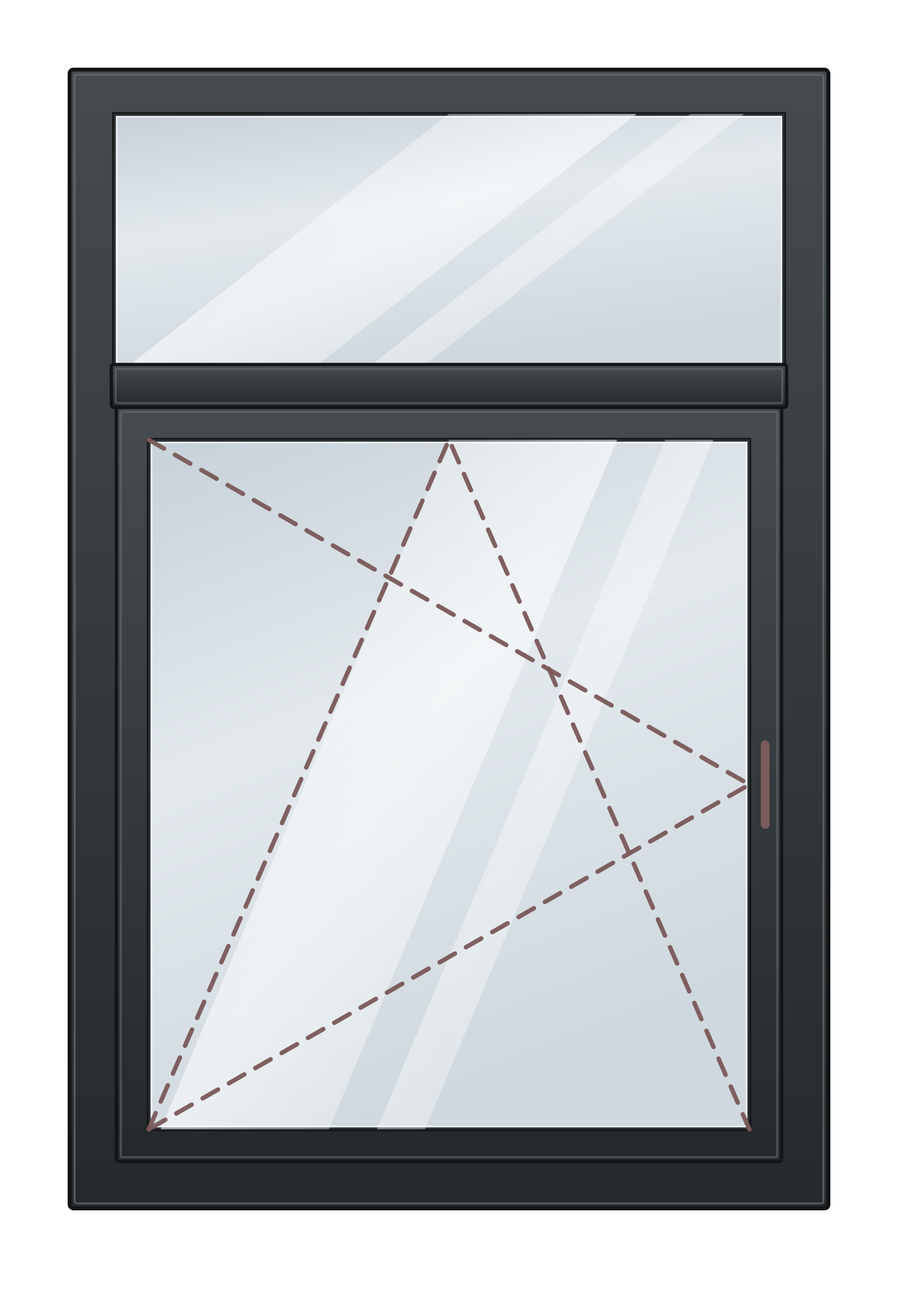
Tilt and turn window at reachable height, fixed top light above — extra height without hardware out of reach.
Request my quote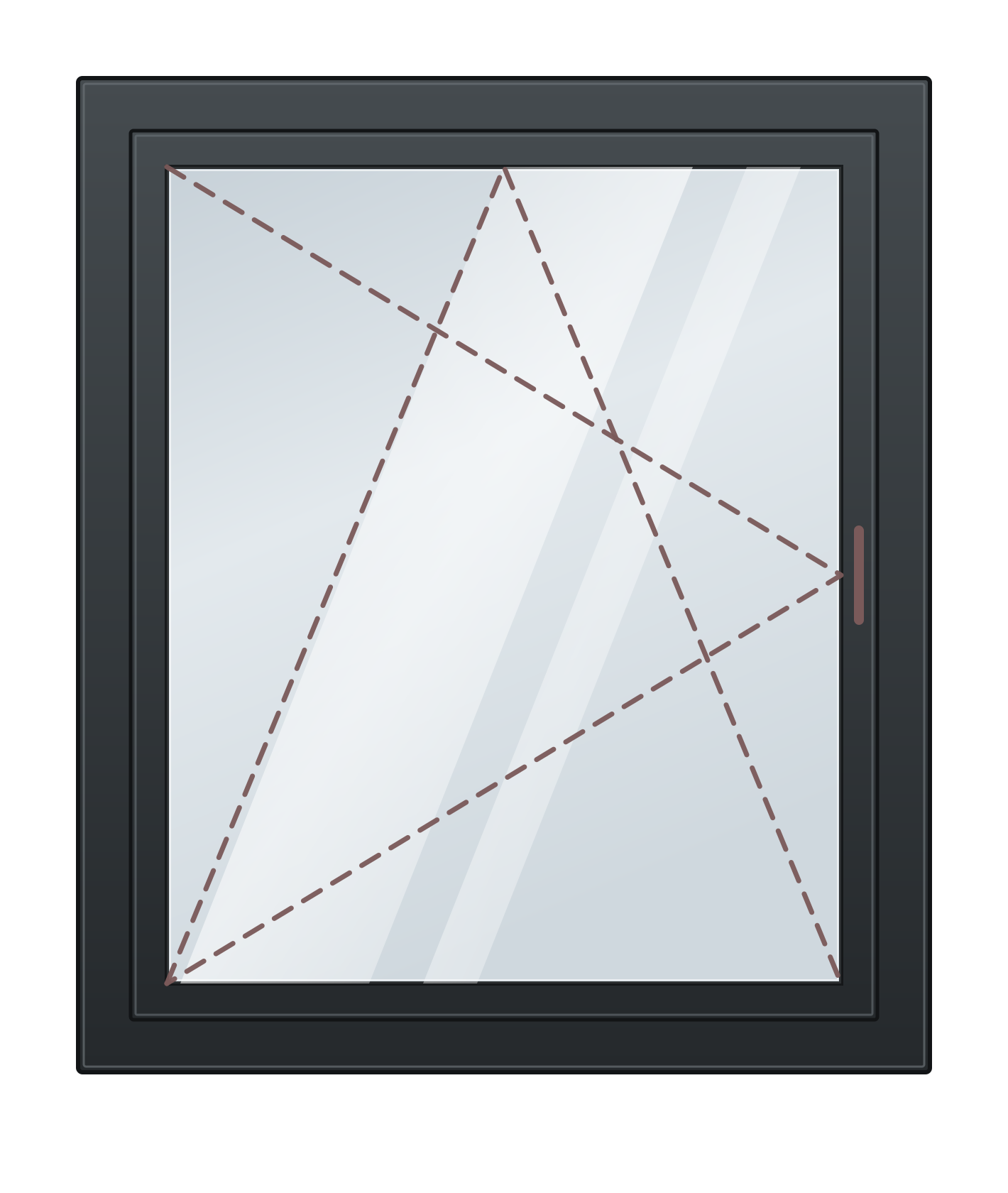
Tilt for air, turn to clean — the window most of our layouts start from.
Request my quote
One pane of glass, no hinge — the cheapest way to get light in without ventilation.
Request my quote
Looks like a tilt and turn window, doesn't open — for an elevation with one consistent look.
Request my quote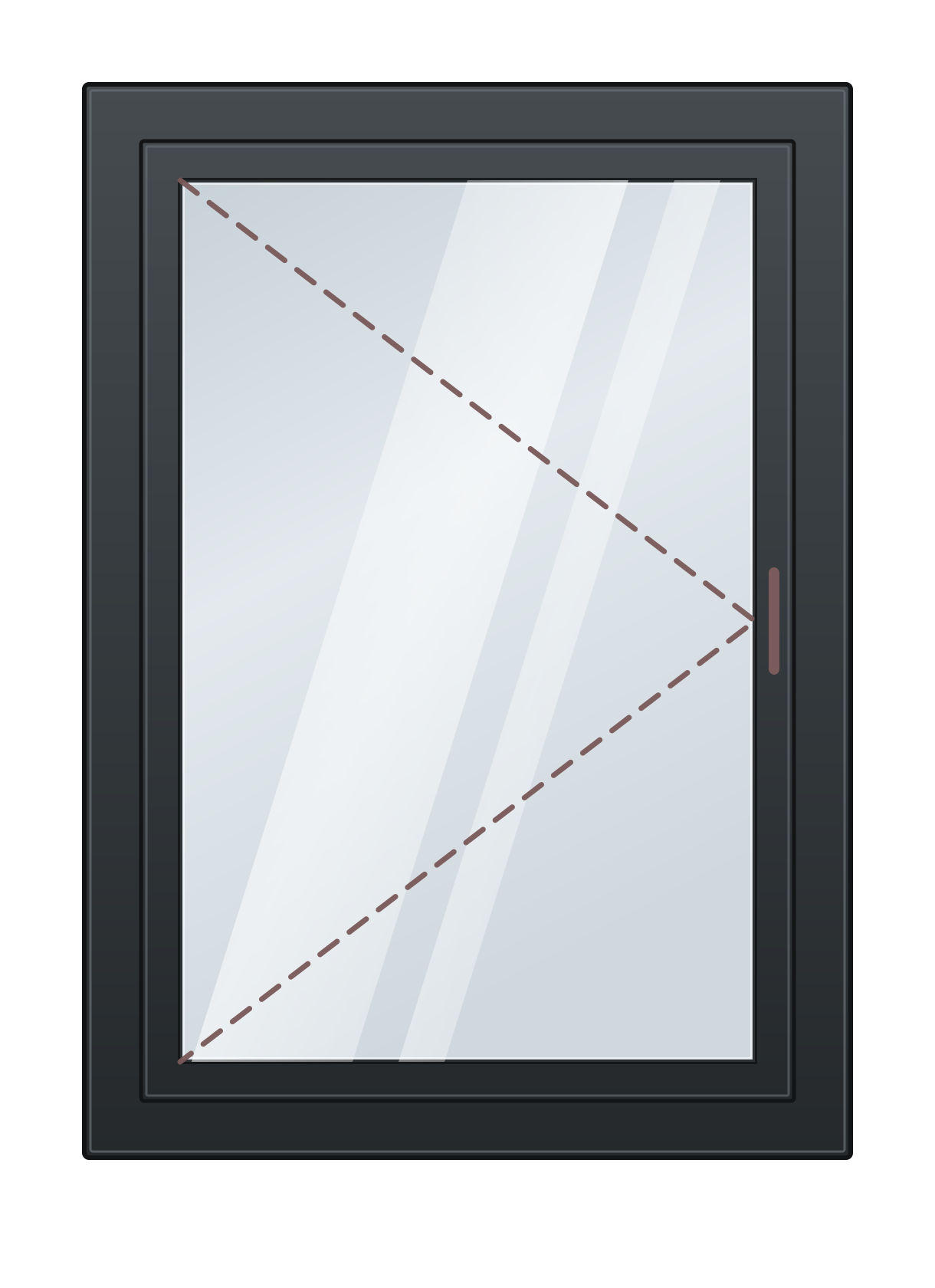
Opens fully inward for air and for cleaning — without the tilt position.
Request my quote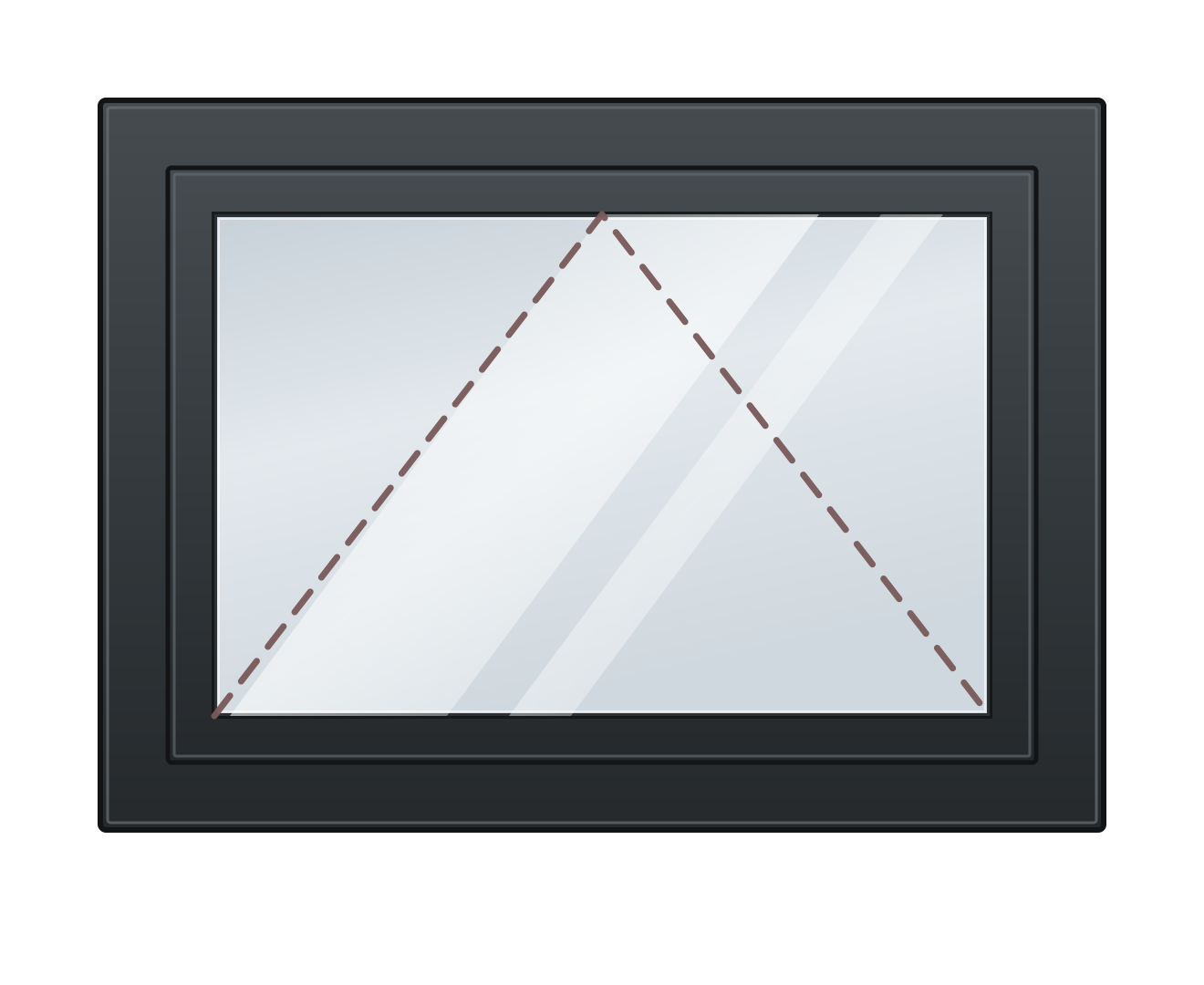
Hinged at the bottom, tilts inward — ventilation in a spot you don't reach with a handle.
Request my quoteFrequently asked questions about a 4-pane window, 2 tilt and turn
Why a tilt and turn sash at both ends rather than in the middle?
It keeps the centre — often the part with the best view — as one uninterrupted area of glass, while still giving you a pane you can open and reach at each end.
Is this the same as two 2-pane windows with one tilt and turn sash each, side by side?
It looks similar, but this is one window with four panes rather than two windows of two panes each. That makes a difference to the frame lines and to the order.
Can the two opening sashes be different sizes?
The standard size splits the four panes equally; in the configurator you can set a different split. Bear in mind that an uneven split changes the mirrored look of this window.
Is the mullion between the two fixed panes heavier than elsewhere?
Not necessarily: it carries the glass of both fixed panes, as in any other window with a mullion. The profile you choose determines how much it can carry.
Configure this 4-pane window, 2 tilt and turn
Where we have a guide price, it is on the page, not behind a form — not a quote and not a final price; the amount for your sizes is in the made-to-measure quote.
Request my quote